

Ships starting with H
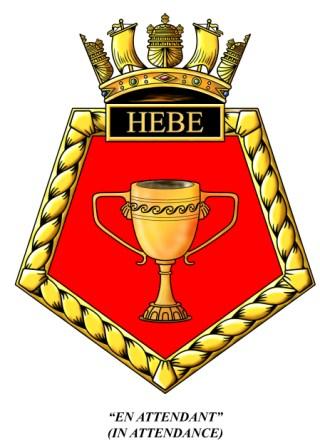
Reproduced with permission of the MOD

Subsequent name: Good Guardian, Guardian, Wafa
Official Number: 304252
Class: HEBE CLASS Stores Freighter
Pennant No: A406
Laid down: 18 April 1961
Builder: Henry Robb, Leith
Launched: 7 March 1962
Into Service: 6 April 1962
Out of service: December 1978
Fate: Returned to owners on cancellation of charter
Items of historic interest involving this ship: -
Background Data: The proposed charter of the two Admiralty-designed vessels in this Class was announced in September 1960 and they were built specifically for Admiralty sea freighting duties. They were designed to carry the greater proportion of their bulk cargo of naval stores in specially designed containers by Chatham Dockyard which were known as chacons, thus setting a pattern of containerisation which was followed in ever-increasing steps in the commercial world. The two ships were built on tanker lines, with machinery spaces and superstructures aft, so leaving three large holds and tween decks forward, with No 3 tween-deck having two refrigerated spaces and facilities for twelve refrigerated containers. They initially maintained a U.K. - Gibraltar - Malta - Aden - Singapore service and after the closure of the Suez Canal in 1967 they went via the Cape of Good Hope, with frequent calls at Simonstown. Neither of them had any replenishment at sea capability and when completed they were bare-boat chartered from their commercial owners for a period of ninetween years.
7 March 1962 launched by Henry Robb Ltd, Leith as Yard Nr: 482 named HEBE for British India Steam Navigation Co Ltd, London. Named after the Goddess of Youth and Cup Bearer to the Gods and daughter of Juno. The Lady Sponsor was Mrs F.C. Wilkins, wife of the Director of Stores. She was the 1st vessel to be built on the recently extended berth at the Victoria Shipyards and also the longest
6 April 1962 completed
18 June 1962 bare-boat chartered by the Admiralty to replace RFA FORT BEAUHARNOIS
20 June 1962 Mr Ernest S R Bunker RFA appointed as Chief Engineer Officer
22 October 1962 Captain Albert E Curtain OBE RD RFA (Commander RNR) appointed as Master
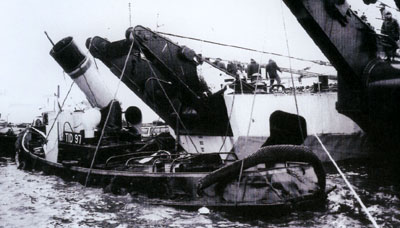
29 December 1962 at Chatham Dockyard tug TID 97 sunk in Basin 3 while berthing RFA HEBE. Three of the tugs crew, the Master, Leslie Savage, the mechanic George Osbourne and the stoker William Gell all drowned. The tug was raised by RFA SWIN on 4 January 1963
16 July 1963 Captain A S McWilliam RFA appointed as Master
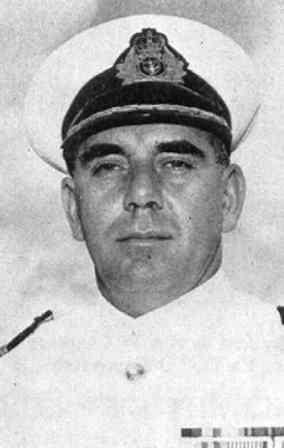
Captain A S McWilliam RFA
15 January 1964 was ordered to Zanzibar along with the frigates HM ships OWEN and RHYL to evacuate British subjects
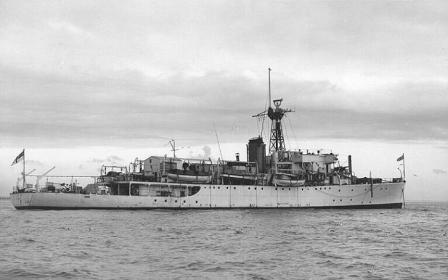
HMS OWEN
17 January 1964 entered Zanzibar harbour and embarked 43 passengers and 2 tons of luggage
18 January 1964 with HMS OWEN rescued 140 refugees from Zanzibar after a revolutionary coup there. Those rescued were landed at Mombasa and included 126 British subjects and their baggage
1 March 1964 again stood by to assist in the evacuation of British nationals during the revolution in Zanzibar
2 June 1964 at Chatham
16 June 1964 Captain G P MacDougall RFA appointed as Master
17 June 1964 at Chatham loaded Wessex HAS1 Helicopter No: XP127 for shipment to the Far East
30 November 1964 Mr Denis G P Wells RFA appointed as Chief Engineer Officer
2 December 1964 at Plymouth
31 August 1965 Captain A L Paterson RFA appointed as Master
11 November 1965 Mr J A Swallow RFA appointed as Chief Engineer Officer
13 May 1966 Captain Charles W P Sumner RFA appointed as Master
12 August 1966 Mr J Edge RFA appointed as Chief Engineer Officer
14 November 1966 Captain J P Gould RFA appointed as Master
January 1967 Humanitarian aid - freighted Oxfam Relief Stores to Cochin to assist in famine relief
21 January 1967 sailed Singapore on her first direct passage to the U.K. on the first voyage carrying three aircraft below decks - a Sea Vixen, a Gannet and a Wessex HU5 Helicopter No: XT457
25 February 1967 Mr R E Davies RFA appointed as Chief Engineer Officer
10 July 1967 berthed at Simonstown Dockyard, South Africa
24 August 1967 two 8 inch breach loading guns (1885 vintage) removed from Blankang Mati island, Singapore and loaded on Hebe for transportation to the UK for use as exhibits at the Royal Artillery Rotunda Museum, Woolwich (described in the Straits Times as 8.8 inch guns)
22 September 1967 Wessex HAS3 helicopter No: XP120 shipped from Chatham Dockyard to the Far East
14 March 1968 berthed at Simonstown Dockyard, South Africa
15 May 1968 Captain D J Boyden RFA appointed as Master
30 May 1968 Mr S P Awatt RFA appointed as Chief Engineer Officer
16 July 1968 Wessex HU5 Helicopter No: XS479 shipped from Sembawang to RNAY Fleetlands
24 April 1970 at Chatham Dockyard to load Wessex HAS1 Helicopter No: XM919 delivered by road from RNAY Fleetlands, Fareham, Hampshire for delivery to the Aircraft Holding Unit, Sebawang
7 June 1970 at Mahe, Seychelles unloading stores and personel (clearance divers) embarked at Mauritius and which had arrived on that island from Singapore by Hercules. Sailed on completion for Gan with the Master and 15 Officers from RFA ENNERDALE (2) to embark on a flight to the UK
8 July 1970 at Gan
27 October 1970 berthed at Malta from Agrotini
2 March 1971 berthed at Simonstown Dockyard, South Africa
13 July 1971 berthed at Simonstown Dockyard, South Africa
21 September 1971 berthed at Simonstown Dockyard, South Africa
1 October 1971 P & O General Cargo Division, London were appointed her owners’ managers
14 December 1971 berthed at Simonstown Dockyard, South Africa
28 February 1972 berthed at Simonstown Dockyard, South Africa
17 January 1973 owners became P & O Steam Navigation Co, London
23 September 1973 at Istanbul, Turkey
21 October 1973 in Royal Albert Dry Dock, London
6 February 1974 berthed at Simonstown Dockyard, South Africa
21 September 1974 berthed at Simonstown Dockyard, South Africa
4 November 1974 berthed at Simonstown Dockyard, South Africa
4 December 1974 at Chatham until 6 December 1974 when she sailed for Plymouth arriving the next day
8 December 1974 sailed for Gibraltar arriving on 11 December 1974 - berthed on the South Mole then to 41 berth
16 December 1974 sailed Gibraltar 1974 to Plymouth arriving on 19 December 1974 - sailed the same day to Chatham arriving the next day - along side until 26 January 1975
27 January 1975 sailed Chatham for the Far East
28 January 1975 off the Channel Islands - the deck cargo had shifted.
3 February 1975 off Spanish Sahara - stopped between 0900hrs to 1200hrs for minor repairs
16 February 1975 anchored off Simonstown, South Africa - berthed at Simonstown until 19 February 1975
19 February 1975 sailed Simonstown for Salalah arriving at 20:00hrs on 2 March 1975
2 March 1975 unloading at Salalah onto Mexifloats until 6 March 1975
6 March 1975 sailed Salalah for Masirah arriving the next day
7 March 1975 at Masirah until 17 March 1975 when she sailed to Dubai arriving on 19 March 1975
20 March 1975 sailed Dubai for Singapore arriving on 31 March 1975 firstly anchored off and then made fast to a buoy in Sembawang Harbour
3 April 1975 moved to No 4 Basin, Singapore unloading - due to sail 7 April 1975 but this was delayed due to engine trouble
8 April 1975 sailed Singapore for Hong Kong arriving on 12 April 1975 to discharge
17 April 1975 sailed Hong Kong for Singapore.
20 April 1975 anchored off Mekong Delta RASed with HMS MERMAID awaited instructions from MOD to assist in evacuation of British subjects from Saigon. City fell to Communists - not required - sailed.
22 April 1975 berthed alongside at Singapore to load.
28 April 1975 sailed for Gan.
4 May 1975 arrived and anchored in Gan lagoon. Twice during this voyage had to anchor due to engine defects being repaired
8 May 1975 sailed Gan for Diego Garcia arrived next day.
9 May 1975 sailed Diego Garcia for Mauritius arriving Port Louis, Mauritius 12 May 1975
13 May 1975 sailed Port Louis, Mauritius for Simonstown, South Africa.
16 May 1975 stopped twice for engine repairs
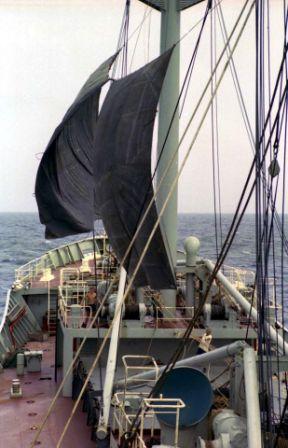
17 May 1975 stopped once for engine repairs
18 May 1975 stopped three times for engine repairs
20 May 1975 arrived Simonstown, South Africa
21 May 1975 at Simonstown, South Africa loading bunkers, fresh water and more engine repairs
22 May 1975 sailed Simonstown, South Africa for Marchwood
24 May 1975 stopped for one hour for engine repairs - and again on 2 June 1975
11 June 1975 berthed at Chatham - visit to Marchwood cancelled
20 June 1975 at Chatham
7 August 1975 at London
11 September 1975 at Chatham
25 October 1975 at Singapore
5 February 1976 at Gibraltar
24 August 1976 Captain Shane Redmond RFA appointed as Master
Captain Shane Redmond RFA
8 February 1977 Captain Michael Corner RFA appointed as Master
April 1978 sailed from Hong Kong for the last time
30 November 1978 severly damaged by arson at Gibraltar. Donkeyman Greaser Leslie Mason discharged dead - he died from asphyxia from the inhalation of toxic fumes and from burns
December 1978 was declared a constructive total loss. Her charter was cancelled and she was returned to her owners
8 June 1979 purchased by Good Luck Navegante SA (Good Faith Shipping Co SA, Managers), Piraeus
13 June 1979 now renamed GOOD GUARDIAN, she sailed from Gibraltar in tow of GOOD HERALD for repairs in Greece
20 June 1979 arrived Piraeus for repairs
1981 purchased by Poseidon Shipping Co SA (Seafarer Navigation Co SA, Managers), Piraeus and her name was abbreviated to GUARDIAN
January 1983 sailed Houston bound for Alexandria but ...
24 February 1983 arrived at Casablanca and was laid up, reportedly under arrest
1987 purchased by Moroccan-flag interests and renamed WAFA
16 September 1987 arrived Famagusta, Cyprus for breaking up.
Ships of the same name
Hebe. A 5th rate of 1,063 bm and 38 guns captured from the French in September 1782 by HMS Rainbow off Ile de Bas. Renamed “Blonde” on the 24 December 1805. Broken up in June 1811.
Battle Honours for this Vessel: ST LUCIA, EGYPT 1801.
Hebe. 5th Rate of 658 bm and 32 guns built and launched by Deptford Dockyard on the 31 December 1804. Sold out of service on the 28 April 1813.
Hebe. A 5th rate of 46 guns and 1,078 bm, launched by Woolwich Dockyard. 152 x 40 feet armed with 16 x 32 pdr carronade, 28 x 18 pdr, 2 x 9 pdr. Became a receiving ship in 1839 and then a hulk in 1861. Broken up at Chatham in March 1873.
Hebe. A torpedo gunboat of 810 tons built by Sheerness Dockyard and launched on the 15 June feet armed with 2 x 4.7 inch, 4 x 3 pdr and 3 torpedo tubes. The ship was undocked on the 15 June 1892, became a minesweeper in 1909 and a depot ship in 1910. Sold to Ward, Preston on the 22 October 1919.
Hebe. A minesweeper of 835 tons by Devonport Dockyard, launched on the 28 October 1936, 230 x 33.5 feet, armed with 2 x 4 inch guns. Sunk on the 22 November 1943, when she struck a mine off Bari.
Battle Honours for this Vessel: DUNKIRK 1940, ARCTIC 1941-42, MALTA CONVOYS 1942, SICILY 1943.


Subsequent name: Hemsley II Grammos Ardenza Pannesi
Official Number: 142314
Class: SECOND 1,000 t CREOSOL CLASS Harbour Oiler
Pennant No: X29
Laid down:
Builder: McMillan, Dumbarton
Launched: 30 November 1917
Into Service: March 1918
Out of service: 1948 Sold commercially
Fate: Broken up
Items of historic interest involving this ship: -
Background Data: On the outbreak of WW1, the Admiralty embarked on a further programme of tanker construction for the newly-formed RFA Service. Eventually there were eighteen ships in this Class, twelve of which were named after trees with the OL suffix, while the remainder had names connected with the oil industry also with the OL suffix. Four of the Class were diesel engined and were sold after the Armistice but the rest, being triple expansion steamers, had long and successful lives
4 November 1917 Engineer Lieutenant William Cornell RNR appointed as Chief Engineer Officer. He was demobilised on 22 April 1919
30 November 1917 launched by A. Macmillan & Sons Ltd, Dumbarton as Yard Nr: 470 named HICKOROL.
18 January 1918 Lieutenant Frank J Delamotte RNR appointed in command
25 February 1918 registered in Admiralty ownership
17 April 1919 Mr W L Rathbone RFA appointed as Chief Engineer Officer. He previously had served in RFA BARKOL He was demobilised on 30 August 1919
6 May 1919 involved as oiler with British and US mine sweepers removing the 'Northern Barrage' - the series of mine fields laid across the northern North Sea to restrict the passage of German U-Boats assisted by RFA‘s ASPENLEAF, CRENELLA and PETRONEL
On or after 1 July 1919 Leading Stoker Benjamin Williams MMR 736894 logged as deserting (no exact date shown for his desertion). He had signed on on 12 April 1919
11 August 1919 Engineer Lieutenant Peter Low RNR appointed as Chief Engineer Officer
23 September 1919 ceased to be engaged as an oiler for the Mine Sweepers engaged in removing the 'Northern Barrage'
7 October 1919 berthed at Portsmouth from sea
11 November 1919 Ordinary Seaman Cyril F C Black MMR 938468 logged as deserting from the ship. He had signed on the ship on 21 February 1918. He surrendered on 27 December 1919 and was admitted to Whipps Cross Hospital, Leyton, London E10 on 29 December 1919
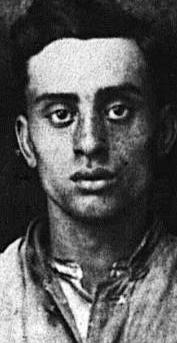
Ordinary Seaman Cyril Black MMR 938468
18 November 1919 Stoker J Wilson logged as deserting. He had signed on on 22 August 1919
3 December 1919 Able Seaman John Pottinger logged as deserting. He had signed on on 28 August 1919
17 December 1919 berthed at Grangemouth from London
24 December 1919 Fireman Edwin G Whiting MMR 982092 logged as deserting. He had signed on on 12 April 1919
1 January 1920 docked at Avonmouth with a cargo of petrol for discharge. The first visit by the ship to this port
5 January 1920 sailed Avonmouth for Belfast
22 January 1920 arrived at Sheerness
12 February 1920 Mr Thomas Dobbie RFA appointed as Chief Engineer Officer. Previously served as Chief Engineer Officer of RFA LIMOL
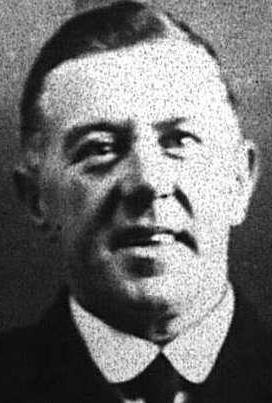
Chief Engineer Officer Thomas Dobbie
16 February 1920 sailed Grangemouth for Sunderland in ballast
7 May 1920 berthed at the Albert Dock, Hull from Purfleet
7 June 1920 arrived at Grangemouth from Purfleet
8 June 1920 sailed Grangemouth for London
18 June 1920 berthed at the Albert Dock, Hull from Purfleet
19 June 1920 sailed from the Albert Dock, Hull in ballast for Purfleet
6 July 1920 berthed at Avonmouth to load bunkers
26 August 1920 sailed Grangemouth for Hull
29 August 1920 berthed at Albert Dock, Hull
30 August 1920 sailed Albert Dock, Hull for Purfleet in ballast
24 September 1920 arrived at Grangemouth from Thameshaven
16 December 1920 arrived at Grangemouth from London
5 January 1921 sailed Grangemouth for London in ballast
22 March 1921 sailed Grangemouth for London
28 March 1921 arrived at Grangemouth from London
18 April 1921 arrived at Grangemouth from London
16 May 1921 sailed Plymouth for Belfast
24 July 1921 Captain Robert T Gallon RFA appointed as Master
7 November 1921 berthed at Avonmouth to load cargo
2 December 1921 sailed Manchester for Avonmouth
4 December 1921 berthed at Avonmouth
6 December 1921 sailed from Avonmouth
23 January 1922 arrived at Salt End Jetty, Hull in ballast from Thames Haven
8 February 1922 Captain Charles N Noel RFA appointed as Master
14 February 1922 arrived at Granton from Rotterdam
16 February 1922 sailed Granton for Rosyth with ballast
28 February 1922 arrived at Plymouth from Falmouth
9 March 1922 arrived at Plymouth from Limerick
9 October 1922 Captain Wm Alfred Wooster RFA appointed as Master
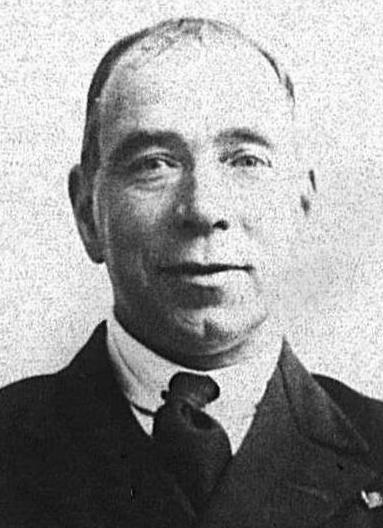
Captain Wm Alfred Wooster RFA
3 November 1922 Captain Robert S Jarvis RFA appointed as Master
23 April 1923 arrived at the River Tees from Killingholme
24 May 1923 berthed at Portsmouth Harbour
30 May 1923 sailed from Portsmouth Harbour returning later the same day
30 June 1923 Mr Edward B Morton RFA appointed as Chief Engineer Officer
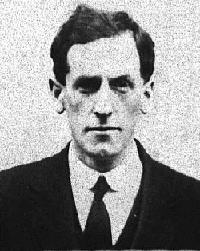
Chief Engineer Officer Edward B Morton RFA
24 October 1923 sailed from Portsmouth Harbour to Stokes Bay returning to Portsmouth Harbour later in the day
25 October 1923 sailed from Portsmouth Harbour
28 December 1923 arrived at Salt End Jetty, Hull from Grangemouth in ballast. Sailing later the same day to Sunderland
5 January 1924 berthed at Grangemouth from Hull
10 January 1924 arrived the River Wear from Hull
11 March 1924 sailed Salt End Jetty, Hull to Grangemouth and then Aberdeen
13 March 1924 berthed at Grangemouth
14 March 1924 arrived at Aberdeen
12 April 1924 sailed Hull Roads in ballast
19 May 1924 arrived Hull Roads from Thames Haven
29 August 1924 sailed Grangemouth for Saltend, Hull in ballast
4 September 1924 arrived at Grangemouth from Hull
10 September 1924 arrived at Grangemouth from Hull with a cargo of paraffin
17 September 1924 berthed at Grangemouth from Hull
20 September 1924 sailed Grangemouth in ballast
19 November 1924 sailed Grangemouth for Rosyth
17 March 1925 berthed Portsmouth Harbour
27 April 1925 sailed from Portsmouth Harbour
14 October 1925 moored on No: 5 buoy, Portsmouth Harbour
4 November 1925 arrived Salt End Jetty, Hull from Fowey in ballast
5 November 1925 sailed from Hull & Barnsley Quay, Hull for Grangemouth with a cargo of spirit
12 November 1925 sailed Sunderland for Hull
1 December 1925 arrived at Grangemouth from Hull
13 December 1925 arrived at Grangemouth from Hull
15 December 1925 sailed Grangemouth for Hull
16 December 1925 arrived at Salt End Jetty, Hull from Grangemouth in ballast
18 December 1925 sailed Salt End Jetty, Hull for Sunderland with a cargo of motor spirit
19 December 1925 sailed Sunderland for Sheerness
21 December 1925 Mr Joseph S Harrison RFA appointed as Chief Engineer Officer
1 January 1926 arrived at Granton from Shell Haven
10 January 1926 sailed Granton for Shell Haven in ballast
16 January 1926 arrived at Granton from Shell Haven
17 January 1926 sailed Granton
18 January 1926 berthed at Salt End Jetty, Hull
19 January 1926 sailed Salt End Jetty, Hull to Granton loaded with benzine arriving the next day
16 February 1926 arrived Granton from Shell Haven with a cargo of motor spirit
8 March 1926 sailied Hull for Grangemouth
6 December 1926 Mr Charles J Falconer RFA appointed as Chief Engineer Officer
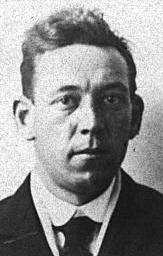
Chief Engineer Officer Charles J Falconer RFA
24 June 1927 sailed Granton for Sheerness in ballast
20 August 1927 arrived at Plymouth from Manchester
21 August 1927 sailed Plymouth for Ellesmere Port
27 August 1927 Captain Reginald C E Neyroud RFA appointed as Master
6 November 1927 sailed the River Tyne
13 November 1927 arrived and berthed at Saltend Jetty, Hull from Ipswich in ballast
23 November 1927 arrived Aberdeen from Hull with a cargo of motor spriit
30 April 1928 sailed from Devonport
29 May 1928 passed the Lloyds Signal Station on the Lizard sailing west bound
19 June 1928 arrived at Devonport
30 July 1928 Mr John Atchison RFA appointed as Chief Engineer Officer
9 August 1928 Captain Donald R McCutchan RFA appointed as Master
30 October 1928 arrived at Devonport
20 May 1929 Captain A D Davies RFA appointed as Master
16 December 1929 arrived at Grangemouth from the River Medway
28 December 1929 arrived at Plymouth and secured to No: 5 buoy
2 January 1930 arrived at Preston with a cargo of motor spirit
13 January 1930 arrived at Preston from Avonmouth with a cargo of motor spirit
25 January 1930 arrived at Sharpness from Sheerness
7 February 1930 passed the Lloyds Signal station on the Lizard sailing west bound
10 February 1930 passed the Lloyds Signal station on the Lizard sailing east bound
26 February 1930 passed the Lloyds Signal station on the Lizard sailing east bound
5 March 1930 mentioned in Parliament as having 'emergency work' being undertaken on her which involved considerable overtime having to be paid
7 March 1930 passed the Lloyds Signal station on the Lizard sailing east bound
25 April 1930 arrived Avonmouth to discharge
1 May 1930 passed the Lloyds Signal Station on the Lizard sailing west bound
5 May 1930 passed the Lloyds Signal station on the Lizard sailing east bound
1 September 1930 Mr C F Smith RFA appointed as Chief Engineer Officer
5 October 1930 Captain Harry W R Fowler RFA appointed as Master
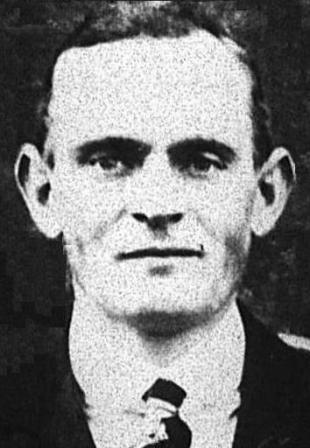
Captain Harry W R Fowler RFA
9 December 1930 passed the Lloyds Signal Station on the Lizard sailing east bound
17 March 1931 Mr W Maybray RFA appointed as Chief Engineer Officer
20 September 1931 passed the Lloyds Signal Station on the Lizard sailing west bound
22 September 1931 arrived at Preston
26 September 1931 sailed Falmouth
29 September 1931 arrived at Goole
7 October 1931 passed the Lloyds Signal station on the Lizard sailing east bound
13 October 1931 sailed Avonmouth for Preston
15 October 1931 arrived at Preston
18 October 1931 passed the Lloyds Signal station on the Lizard sailing west bound
19 December 1931 arrived at Avonmouth from Thameshaven
21 December 1931 sailed Avonmouth for Sharpness
16 April 1932 Mr John R Flett RFA appointed as Chief Engineer Officer
21 April 1932 Captain Donald R McCutchan RFA appointed as Master
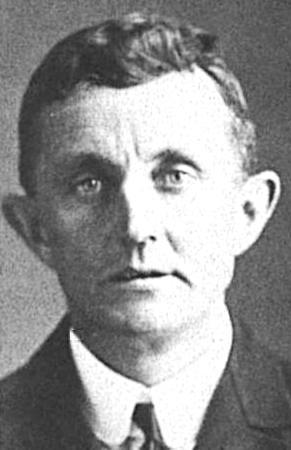
Captain Donald R McCutchan RFA
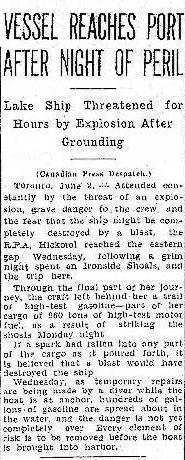
30 May 1932 grounded on the Ironside Shoal in St Lawrence Seaway causing damage to her hull - reported in the Toronto Daily Star on 1 June 1932
2 June 1932 the Winnipeg Free Press reported ...
7 July 1932 off Cape Megdelene Chief Engineer Officer John Robert Flett RFA discharged dead - from gas poisoning
15 July 1932 Mr Frederick E Langer RFA appointed as Chief Engineer Officer
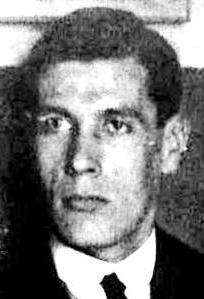
Chief Engineer Officer Frederick E Langer RFA
1932 to 1936 chartered by Sun Oil Co., Philidelphia for trading on the Great Lakes and St Lawrence River and the Newfoundland coast in the Bay of Fundy area in the summer, being laid up at Halifax during the winter. She was escorted across the Atlantic by RFA ORANGELEAF (1) then RFA SERBOL who acted as W/T guard for her
5 April 1934 Captain George W Callaway RFA (Lieut-Commander RN (rtd)) appointed as Master
15 March 1935 Mr R Pittendrigh RFA appointed as Chief Engineer Officer
1936 placed in reserve at Devonport as after carrying light oils, her tanks were in very poor condition. She subsequently had a completely new tank section built into her at Grangemouth in 1938
4 April 1939 sailed the River Tyne for Devonport
11 November 1939 secured alongside HMS HOOD at Devonport to refuel her
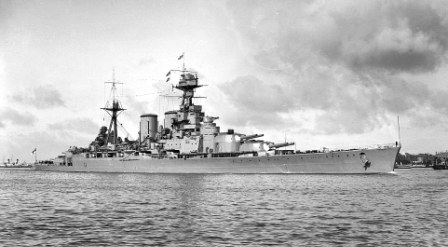
HMS HOOD
1940 to 1943 sailed under a Yard Craft agreement at Devonport
15 March 1940 at Devonport alongside HMS NEWFOUNDLAND to refuel her - supplied 454 tons of FFO
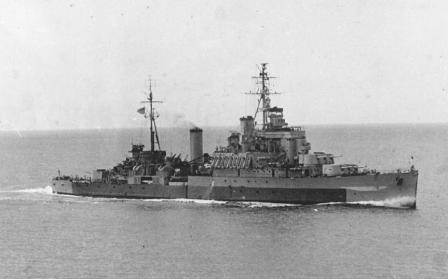
HMS NEWFOUNDLAND
4 April 1940 secured alongside HMS HOOD at Devonport to refuel her
18 April 1940 secured alongside HMS HOOD at Devonport to refuel her
19 April 1940 cast off from HMS HOOD
13 June 1943 slightly damaged during an air raid at Devonport
9 July 1943 at Devonport receiving FFO from HMS QUEEN ELIZABETH before the battleship entered dry dock
9 August 1943 collided with and damaged the cruiser HMS SHEFFIELD at Plymouth
11 October 1943 at Devonport alongside HMS SPARTAN refuelling her with FFO
February 1944 Captain Charles H Noel RFA appointed as Master and Mr A Sharp RFA appointed as Chief Engineer Officer
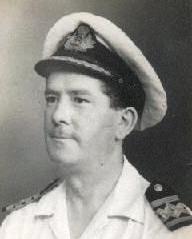
Captain Charles H Noel RFA
18 June 1944 and 19 June 1944 in Plymouth Sound moored alongside USS Arkansas to refuel her
10 January 1945 Captain John Mc Angus RFA appointed as Master
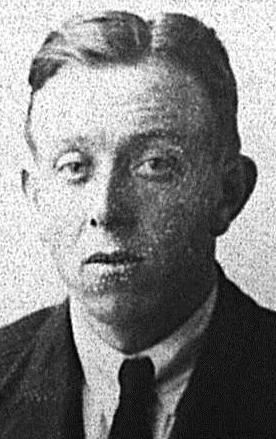
Captain John Mc Angus RFA
14 May 1945 berthed at Portsmouth Harbour
24 October 1945 at Portsmouth Efficient Deck Hand Robert Leslie Russell discharged dead - self inflicted injury by shooting
28 January 1946 Mr J Cook RFA appointed as Chief Engineer Officer
3 June 1947 sailed from Portsmouth Harbour
4 June 1947 berthed at Portsmouth Harbour
August 1947 taken out of service
23 September 1947 was handed over to the MoT for disposal
1947 sold to Hemsley Bell Ltd, Southampton (H.L.R. Bell, Manager) renamed Hemsley II
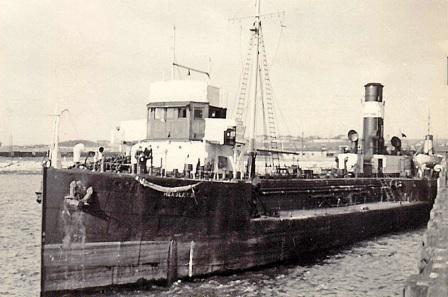
RFA Hickorol after sale and being renamed as Hemsley II
7 January 1948 sailed from Portsmouth Harbour
July 1948 was the first tanker to load from the large ex-Mulberry pontoon which was moored in Heysham Harbour and which was connected to the old Heysham Oil Jetty by two hinged arms carrying the pipelines. This provided another berth inside the harbour
18 July 1948 while leaving the Manchester Ship Canal at Eastham was in collision with the lock gates. She was only slightly damaged.
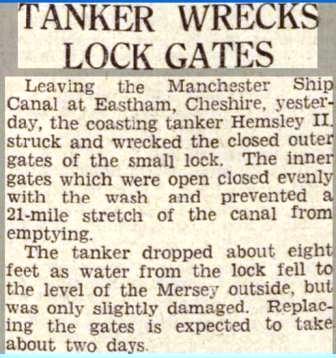
Press Report from the Western Daily Press of 19 July 1948
April 1950 sold to N T Papadatos, Piraeus and renamed GRAMMOS
14 April 1950 sailed Southampton for Bergen on her first voyage for her new owners
1956 sold to D'Alesio & Castaldi, Livorno and renamed ARDENZA
1967 sold to Ottavio Novella, Genoa and renamed PANNESI
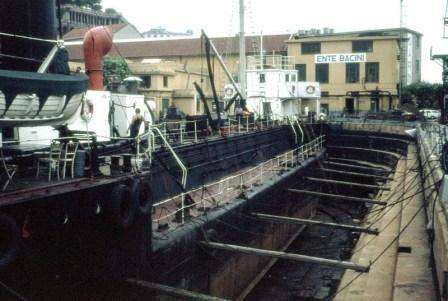
RFA Hickorol after sale and being renamed as Pannesi
1974 sold to Ciane-Arapo Cia. di Nav. e Bunkeraggi SpA (Ottavio Novella, Manager), Genoa. Name unchanged
July 1978 arrived Spezia for breaking up by DEcoMAR.
15 September 1978 breaking up began
No Image
Currently
Available
Previous name: Fleetwood, Commissioner
Subsequent name:
Official Number: 207346
Class: Mooring / Salvage Vessel
Pennant No: X 19 / X 30
Laid down: 1910
Builder: Staten Island, Port Richmond
Launched: April 1910
Into Service: 1915
Out of service: 1923
Fate: Broken up
Items of historic interest involving this ship: -
1910 launched by Staten Island, Port Richmond as Yard Nr 502 named FLEETWOOD for M.P. Smith & Sons Co, New York for service as a floating crane
April 1910 completed
1912 sold to Merritt & Chapman and renamed Commissioner
1915 purchased by the Admiralty for Boom Defence duties at Scapa Flow along with BULLFROG and FIDGET and renamed HOLDFAST. Deployed on Boom Defence duties at Scapa Flow
11 July 1916 Lieutenant Alexander C Inglis RNR appointed in command
15 April 1918 Engineer Lieutenant Ernest Stainthorp RNR appointed as Chief Engineer Officer
1918 Boom Defence duties ended
11 February 1921 arrived at Sheerness from Belgium
March 1923 broken up by Carriden Ship Brk Co., Bo‘Ness
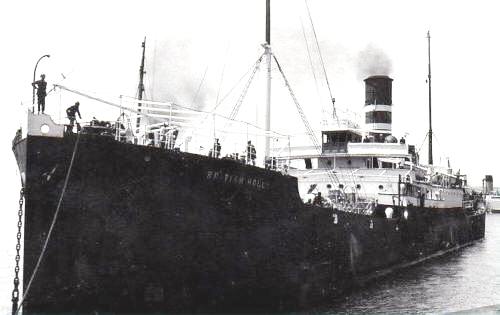
RFA Hollyleaf after her RFA service and as British Holly
Previous name: Oleaster
Subsequent name: British Holly
Official Number: 140257
Class: Emergency Wartime Construction LEAF Group Freighting Tanker
Pennant No: Y7.160
Laid down:
Builder: William Hamilton & Co, Glen Yard
Launched: 23 December 1916
Into Service: 5 March 1917
Out of service: 1920
Fate: Broken up
Items of historic interest involving this ship: -
Background Data: During WW1, eighteen vessels of varying types were acquired second hand and converted or purchased and converted while on the stocks or in a few cases building as tankers. Some were converted after serving with the Dummy Battleship Squadron by the insertion of cylindrical tanks in their holds. All were originally intended to operate as RFA’s, however owing to reasons of international law and the operation of the US Neutrality Act, these oilers became Mercantile Fleet Auxiliaries, being renamed with the LEAF nomenclature and placed under civilian management, although operationally they remained under Admiralty control
1916 laid down as a dry cargo ship
23 December 1916 launched by Wm Hamilton & Co Ltd, Glen Yard, Port Glasgow as Yard Nr: 302 named RFA OLEASTER
March 1917 completed for the Shipping Controller and placed under management of Lane & MacAndrew Ltd, London as an oiler transport and renamed HOLLYLEAF
31 May 1917 an Admiralty report on this ship showed she had completed only one round trip during which she was found to be in need of repairs to centre line division plates been tanks and suffering from leaky rivets resulting in her having to be dry docked at Invergordon for 23 days (including discharging time) - source MT23/808 at the TNA
25 October 1917 at 31°29N 22°16W stopped and boarded by HMS MOTAGUA - allowed to proceed
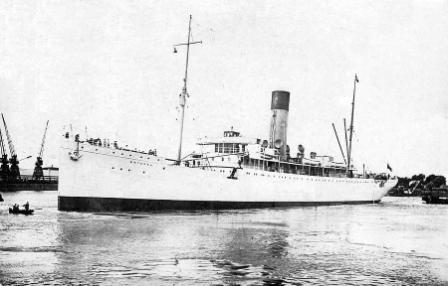
HMS MOTAGUA
25 November 1917 escorted to Milo from Taranto by HMS RIBBLE
26 January 1918 sailed Milo escorted by HMS's COLNE and MARGUERITE
24 April 1918 Storekeeper John Savage discharged dead. He died in the International Hospital, Brindisi from a knife wound having been admitted the previous day. He was originally buried in the Brindisi Communal Cemetery but he was moved by the CWGC to Bari War Cemetery, Italy in 1981
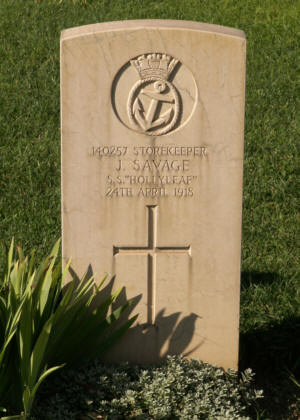
Image courtesy of The War Graves Photographic Project
30 April 1918 attacked by a submarine in the Mediterranean - the torpedo missed
17 October 1918 off Permin and sighted by HMS TOPAZE
20 November 1918 at Ismid - HMS LIVERPOOL berthed alongside and was refuelled with 44 tons of FFO
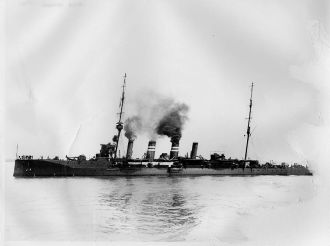
HMS LIVERPOOL
22 November 1918 at Ismid - HMS CANTERBURY berthed alongside and was refuelled with 69 tons FFO
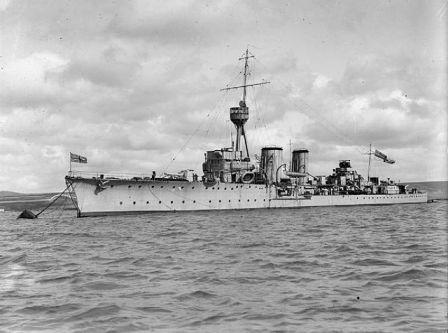
HMS CANTERBURY
8 December 1918 at Sevastopol - HMS CANTERBURY berthed alongside and was refuelled with 209 tons FFO
10 December 1918 at Hong Kong Cook You Ah discharged dead - drowned (These details were obtained from the 'Deaths at Sea register' but plainly there is an arror with ship being alongside a Royal Naval Cruiser two days previously at Sevastopol)
30 January 1919 passed Perim
26 August 1919 at the Seamans Rest, Port Said Chief Steward Frank Silk discharged dead - heart failure
8 September 1919 purchased by British Tanker Co, London name unchanged
14 November 1919 sailed Singapore
3 December 1919 arrived at Suez from Tarakan
17 January 1920 reported a floating mine at 3°S 110°E
11 March 1920 sailed Suez for Colombo
25 March 1920 arrived at Colombo
1 April 1920 arrived at Singapore from Colombo
8 April 1920 sailed Singapore for San Francisco
12 June 1920 sailed Colon for Malta
23 July 1920 arrived at New Orleans
24 July 1920 cleared New Orleans to Alexandria, Egypt
18 September 1920 sailed Abadan
1 October 1920 arrived at Suez when on passage from Abadan to Grangemouth
16 October 1920 arrived at Grangemouth. Captain McClure was the ships Master
21 October 1920 sailed Grangemouth
26 November 1920 in refit at Palmers, Hebburn on Tyne and renamed British Holly by her owners
12 December 1920 sailed the River Tyne for Port Arthur, Texas via Thameshaven
16 February 1921 arrived at Gravesend from Port Arthur, Texas and berthed at the Port of London - with a sailor with a case of Syphilis - to the Seaman's Hospital at Greenwich
28 February 1921 berthed at Smiths Dock, River Tyne
29 April 1921 sailed Swansea
14 May 1921 arrived at Port Said from Swansea when on passage to Abadan
7 August 1921 at Bombay 4th Engineer Officer Hubert Stringwell discharged dead - died in St. Georges Hospital, Bombay from pneumonia
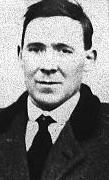
4th Engineer Officer Hubert Stringwell
28 December 1921 at 29°47N 48°47E Fireman Thomas Amor discharged dead - pneumonia
1 May 1922 arrived at Bombay after being involved in a collision - further details not known - source Page 6 of the Dundee Evening Telepgraph of 2 May 1922 and a Lloyd's telegram
8 May 1922 at Abadan
6 June 1922 arrived at Suez from Abadan
18 June 1922 sailed Aden
20 June 1922 arrived Abadan
17 July 1922 sailed Karachi
31 July 1922 at Bombay
19 October 1922 at Bombay
12 December 1922 sailed Aden for Abadan
20 December 1922 arrived at Abadan from Aden
25 January 1923 arrived at Suez
29 January 1923 sailed Port Said for Abadan
3 February 1923 passed Perim
5 March 1923 passed Perim when on passage from Abadan to Genoa, Italy
18 March 1923 at Genoa, Italy
21 September 1923 sailed Bombay for Abadan
27 December 1923 sailed Madras for Abadan
1 December 1924 sailed Madras
5 December 1924 sailed from Colombo
14 December 1924 at Abadan
5 January 1925 sailed from Bombay, Indian
26 January 1925 arrived at Aden from Abadan
29 January 1925 sailed from Aden
6 February 1925 at Abadan
3 March 1925 sailed from Aden
6 July 1925 at Colombo, Ceylon
19 September 1925 at Calcutta, India
4 October 1925 at Abadan
9 March 1926 sailed Swansea for Avonmouth to discharge
11 March 1926 sailed Avonmouth
22 March 1926 berthed at Salt End Jetty, Hull
16 June 1926 sailed Abadan for Colombo
26 October 1926 Captain Sidney John Daniel appeared before Guildhall Justices Room, City of London charged with fraudulent conversion of £127 10sh and, as an alternative, embezzlement of the same sum from his employer - the British Tanker Co Ltd. while Master of the ss British Holly. He pleaded Guilty. The full amount missing was £1,184. Sentenced to 3 months imprisonment
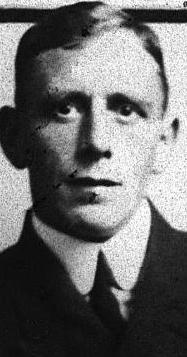
Captain Sidney J Daniel
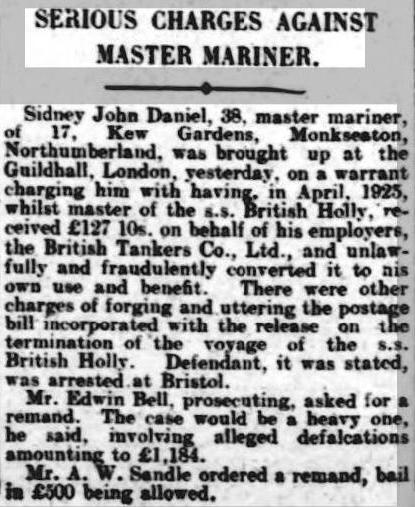
31 December 1926 arrived at Abadan
7 July 1927 passed Perim when on passage to Abadan
12 August 1927 sailed Port Natal for Abadan
9 September 1928 at the Government Hospital, Durban Ships Cook & Baker discharged dead - natural causes
30 December 1929 arrived at Hartlepool
22 January 1930 sailed from the River Tyne for Grangemouth
25 January 1920 sailed Grangemouth for Swansea with a cargo of creosote
31 January 1930 passed the Lloyds Signal Station on the Lizard sailing west bound
8 February 1930 passed Gibraltar sailing east bound
16 February 1930 arrived at Port Said
23 February 1930 passed Perim
3 March 1930 arrived at Abadan
6 March 1930 sailed Abadan for Madras and Calcutta
20 March 1930 sailed Madras for Calcutta
25 March 1930 sailed Calcutta for Abadan
9 April 1930 sailed Abadan for Karachi
14 April 1930 berthed at Karachi
7 May 1930 sailed Aden for Abadan
15 May 1930 arrived at Abadan
26 June 1930 arrived Suez from Abadan
21 January 1931 at Abadan Deck Casab Hoosein Nakwa discharged dead - chronic nephritis
31 January 1931 arrived at Aden
23 March 1931 sailed Aden for Abadan
11 August 1931 sailed Bombay for Abadan
28 October 1931 purchased for £7,000 for demolition by Torazo Haslimoto, Osaka
Official Number: 104821
Class: Salvage Ship
Pennant No: W82
Laid down:
Builder: Messrs Robert Duncan & Co, Port Glasgow
Launched: 29 October 1894
Into Service: 14 June 1917
Out of service: 26 April 1919
Fate: Sunk
Items of historic interest involving this ship: -
Background Data: Some official lists, marked as “Lists of RFA’s” show vessels which spent some time as RFA’s during the First World War. These records are extremely sketchy and some of these vessels were “Yard Craft”, partially or wholly Dockyard manned, partly by RNR or Reserve Fleet personnel. Some of the Depot Ships staffed by skilled civilian Dockyard workers were for a time White Ensign. The Director of Stores was understood to be concerned with their manning and operationally they remained under Admiralty control
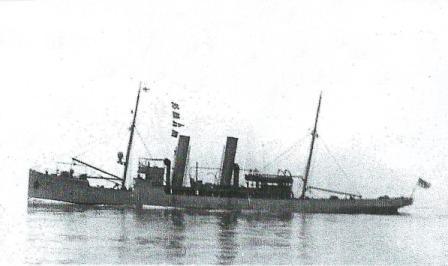
29 October 1894 launched by Messrs Robert Duncan & Co, Port Glasgow as Yard Nr 268 named HUGHLI for James Nourse & Co, London and Calcutta. This was reported in the Greenock Telegraph newspaper the next day as -
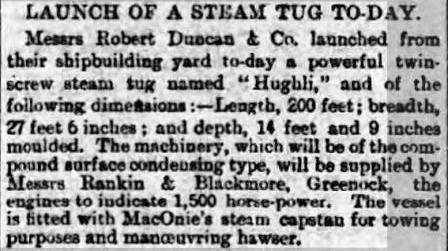
7 December 1894 completed. Was built for towing Nourse Line sailing vessels on the River Hughli to and from Calcutta, India
22 January 1895 at Sauger
23 January 1895 arrived at Calcutta, India
8 February 1897 Lloyds List reported that -

9 May 1897 purchased by C.A. Hampton & E. Bromehead, London name unchanged
19 September 1898 attended the German steam ship Drachenfels which had lost its rudder on 13 September 1898 off Calcutta and took the Drachenfels in tow.
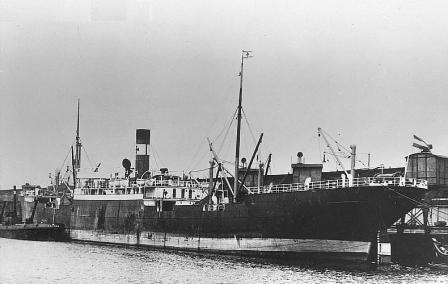
German steam ship Drachenfels
Problems with the tow resulted in Court action in the Calcuta High Court on 25 January 1900 before Mr Justice Ali Ameer.
1903 owners became James Nourse Ltd, London
6 May 1907 arrived at Aden
1907 owner became Richard A. Grech, London name unchanged
1911 owner became Elizabeth C.V. Grech, St Leonard’s
22 February 1915 owner became Elizabeth C.V. Grech, St Leonard’s
7 November 1915 at Mudros Bay
16 December 1915 sailed Mudros Bay with two picket boats in tow and arrived at Kephalo
26 February 1916 at Alexandria hands from HMS HANNIBAL onboard working stores
1 March 1916 sailed Alexandria
12 August 1916 at Saltburn salvaged the tug Earl of Powis
18 August 1916 off Harwich lifted HM Submarines E4 and E41 both of which had collided while on the surface and sank on 15 August 1916. From this accident only 14 members of the crew of HM Submarine E41 survived
18 September 1916 Lieutenant Richard Going RNR appointed as Commanding Officer of HM Tug Hughli
15 November 1916 Lieutenant Going RNR injured while the ship was at Falmouth. Entered RN Hospital Haslar with fractured ribs. Lieutenant William D Brymer RNR took temporary command
20 November 1916 sailed Portsmouth to Dover towing the lighter 'Dromedary'
28 November 1916 Lieutenant Going RNR discharged from RN Hospital - remained sick for a further 3 weeks
21 April 1917 passed the Folkstone Gate with two barges in tow - reported by HMS LORD MINTO
24 April 1917 off Harwich together with the tug Vanquisher and joined on 29 April 1917 by RFA ANCHORITE salvaged HM Submarine C16 which had been rammed and sunk by HMS MELAMPUS when she was at periscope depth
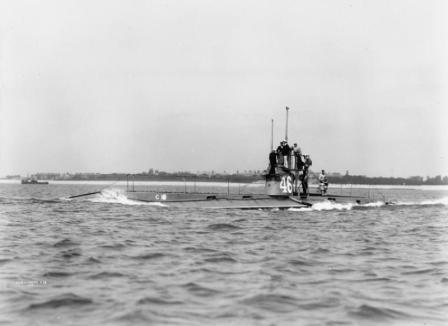
HM Submarine C16 (IWM Q022030)
12 June 1917 arrived at Chatham
14 June 1917 became RFA manned at Chatham - Lieutenant George J Wheeler RNR appointed as Commanding Officer and Engineer Lieutenant Richmond H Newsham RNR appointed as Chief Engineer Officer
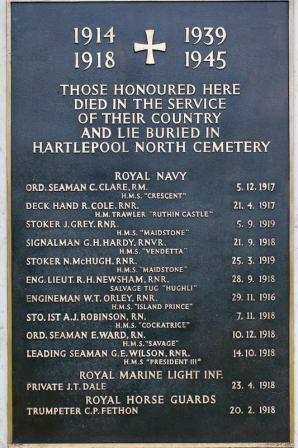
28 September 1918 Engineer Lieutenant Richmond H Newsham RNR discharged dead having died from pneumonia. He died at the Royal Cornwall Hospital, Falmouth. He is buried in Hartlepool (Stranton) Cemetery and is remembered with pride on a Screen Wall.
26 April 1919 ship lost when she struck a mine off the Belgian Coast at Nieuport. Nineteen of the crew were lost and those whose bodies were recovered are buried in various military and civil cemetries in and around Dunkirk. Eight have no known grave but the sea and are variously remembered on the Chatham, Portsmouth and Plymouth Naval Memorials. See details in 'RFA Losses' section. Ten of the crew were rescued.
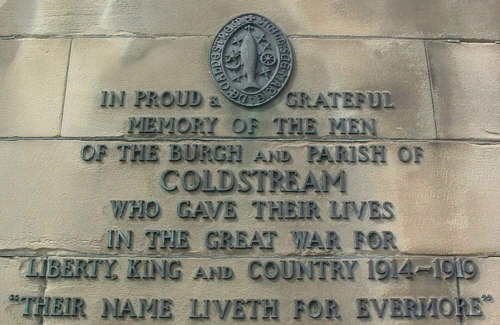
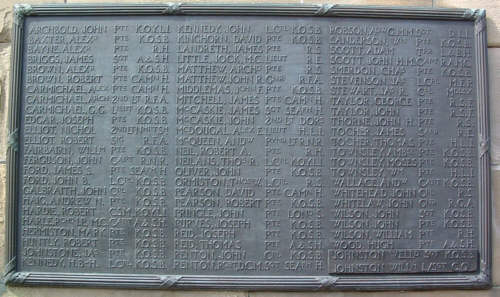
‘ Paymaster Lieutenant Andrew McQueen, RFA Hughli is buried in Oostende New Communal Cemetery, Belgium’
29 April 1919 The New York Times, in a report in their edition stated that the Hughli was carrying explosives for use in clearing obstructions in the Ostend Channel.
20 October 1919 raised but was lost again

Previous name: Lauterfels
Official Number: 136803
Class: Distilling Ship / Expeditionary Force Transport / Collier
Pennant No: Y4.24 / E 206 / Y3.1687
Laid down:
Builder: Weser Actien Gesellschaft 'Weser' Bremen
Launched: 15 February 1913
Into Service: 28 July 1915
Out of service: 16 April 1918
Fate: 16 April 1918 torpedoed & sunk in the English Channel
Items of historic interest involving this ship: -
Background Data: Some official lists, marked as “Lists of RFA’s” show vessels which spent some time as RFA’s during the First World War. These records are extremely sketchy and some of these vessels were “Yard Craft”, partially or wholly Dockyard manned, partly by RNR or Reserve Fleet personnel. Some of the Depot Ships staffed by skilled civilian Dockyard workers were for a time White Ensign. The Director of Stores was understood to be concerned with their manning and operationally they remained under Admiralty control
15 February 1913 launched by Weser Actien Gesellschaft “Weser”, Bremen as Yard Nr: 192 named LAUTERFELS for Deutsche Dampschiffahrts-Gesellschaft Hansa, Bremen
27 March 1913 completed
21 April 1913 arrived at Port Said from Hamburg
5 November 1913 sailed Calcutta to New York
28 December 1913 sailed Boston to Calcutta
5 June 1914 arrived at Port Said from Hamburg while on passage to Karachi
1 August 1914 detained at Port Said by the British
22 January 1915 detention confirmed by the Prize Court at Alexandria - allocated to the Admiralty. Renamed RFA Hungerford under management of Grahams & Co, London
9 March 1915 register opened at London as Nr: 99/15 in the Register Book still named LAUTERFELS19 June 1915 transfered to the Ministry of Shipping, London & renamed HUNGERFORD
28 July 1915 became an RFA distilling ship name unchanged. Management by Grahams & Co ceased
3 August 1915 Lieutenant Robert A Seabrook RNR appointed in command and Engineer Arthur John Trew RNR appointed as Chief Engineer Officer. Both officers hadbeen in post prior to this date but were granted temporary commissions in the Royal Naval Reserve on the ship becoming an RFA
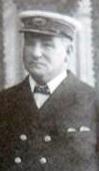
Lieutenant Robert A Seabrook RNR
16 September 1915, 17 September 1915 & 18 Sepetmber 1915 at Mudros Bay with a working party from the 1st Class Cruiser HMS EUROPA onboard
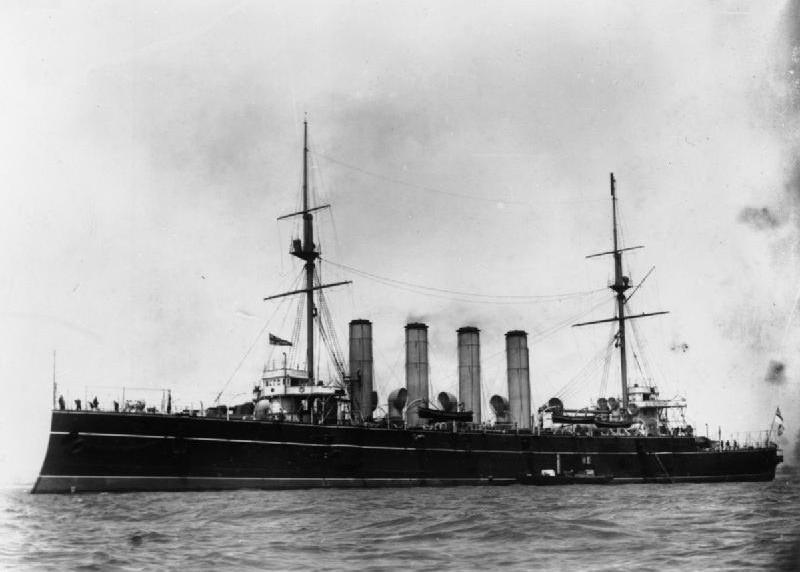
HMS EUROPA
20 September 1915 to 3 October 1915 at Mudros Bay with a working party from the 1st Class Cruiser HMS EUROPA onboard
5 October 1915 to 7 October 1915 at Mudros Bay with a working party from the 1st Class Cruiser HMS EUROPA onboard
10 October 1915 to 13 October 1915 at Mudros Bay with a working party from the 1st Class Cruiser HMS EUROPA onboard
4 November 1915 to 7 November 1915 at Mudros Bay with a working party from the 1st Class Cruiser HMS EUROPA onboard
9 November 1915 to 11 November 1915 at Mudros Bay with a working party from the 1st Class Cruiser HMS EUROPA onboard
14 November 1915 to 19 November 1915 at Mudros Bay with a working party from the 1st Class Cruiser HMS EUROPA onboard
22 November 1915 at Mudros Bay with a working party from the 1st Class Cruiser HMS EUROPA onboard
25 November 1915 at Mudros Bay with a working party from the 1st Class Cruiser HMS EUROPA onboard
29 December 1915 at Mudros Bay with a working party from the Light Cruiser HMS CHATHAM onboard
1 January 1916 pink list location shows her to be a Distilling Ship under the orders of the Vice Admiral, Eastern Mediterrean
21 January 1916 at Mudros Bay with a working party from the 1st Class Cruiser HMS EUROPA onboard
22 February 1916 distilling Ship service ended
28 February 1916 served as an Expeditionary Force Tranport and was commissioned until 31 July 1916
6 April 1916 Temporary Assistant Paymaster John Richard Ormerod RNR discharged dead. He is buried in Suez War Memorial Cemetery, Egypt (Grave Ref. C. 20) and had been appointed to the ship on 26 August 1915
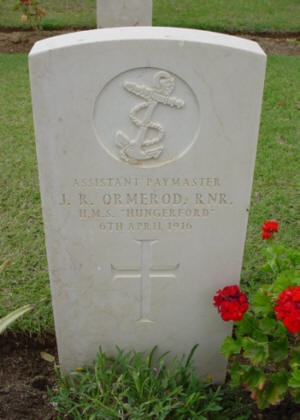
Displayed with thanks to British War Graves
4 August 1916 carried Canadian stores until 16 January 1917
17 January 1917 re-deployed as a stores carrier carrying wheat from Australia until 21 June 1917
22 June 1917 re-deployed as a collier - name unchanged until 12 August 1917
24 August 1917 re-deployed as a transport carrying wheat from the United States until 16 November 1917
17 November 1917 re-deployed as a collier until 2 January 1918
16 December 1917 attacked with 2 torpedoes from a submarine in the Mediterranean but the torpedoes missed their target
1918 management transferred to George Heyn & Sons Ltd, Belfast name unchanged
3 January 1918 on French Government service as a transport carrying steel between the United Staties and France until ...
16 April 1918 torpedoed by German submarine UC75 (Oberleutnant zur See Walter Schmitz) in the English Channel 9 miles SSE of the Owers Light Vessel while on passage, in ballast, from Le Havre to New York via St Helen’s Roads and sunk.
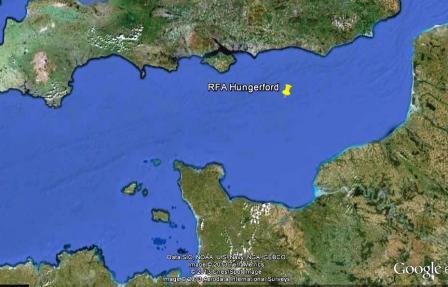
Greaser Percy Brown MMR, Fireman and Trimmer James Thomas Clark MMR, 2nd
Officer John McClure Dale RFA, Fireman Hitchins MMR, Greaser Thomas Jenkins
MMR, Leading Seaman Joseph Martin RNR, 3rd Engineer Officer Donald McVictor
McFarlane MMR and Junior 2nd Engineer Officer Alfred James Rice RFA all were
drowned. 2nd Officer Dale is buried in Clayhall Naval Cemetery (then known as the
Haslar Naval Cemetry), Gosport, Leading Seaman Martin RNR is remembered with
pride on the Portsmouth Naval Memorial. The others have no known grave but the sea
and are remembered with pride on the Tower Hill Memorial
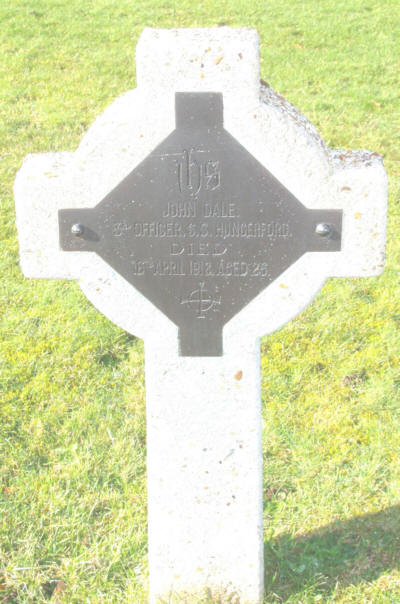
2nd Officer John Dale's grave in Clayhall Royal Naval Cemetery incorrectly showing he was 3rd Officer
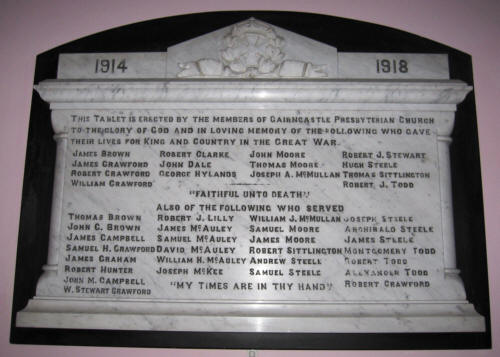
2nd Officer John Dale is also remembered with pride on the
memorial in Cairncastle Presbyterian Church, Northern Ireland
31 May 1918 the German submarine UC75 was sunk by being rammed by HMS FAIRY at 53°57N 00°009E
Notes:
In July 1915 the Director of Transports made the decision that the crew would be engaged under a T 124 Agreement and thus the management contract was removed from Messrs Graham & Co and she then became an RFA and was employed primarily as a Distilling Ship but had available space for 4000t of stores in her holds and 2000t in her tween decks