

Ships starting with N

The above image would appear to be the ship when she was in commission as HMS Bulawayo
Previous name: Westerwald Nordmark
Subsequent name: HMS Bulawayo
Class:
Pennant No: A121
Laid down: 14 November 1936
Builder: Schichau, Elbing
Launched: 5 October 1937
Into Service: 9 May 1945
Out of service: 1947 to Royal Navy
Fate: Scrapped
Items of historic interest involving this ship: -
As a German Naval Auxiliary
16 January 1939 commissioned into the German Navy. Her Commanding Officer was KKpt R. Peter Grau
July 1939 deployed with the Gneisenau off the island of Maderia
22 August 1939 deployed from Germany to support the German Pocket Battleship Deutschland in the North Atlantic
30 August 1939 RASed with the Deutschland at 50°05N 38°15W
9 September 1939 met Deutschland and supplied stores
11 September 1939 off the coast of Greenland
25 October 1939 having changed her name to Nordmark she refuelled and restored the Deutschland
31 October 1939 with the Deutschland at 62°00N 56°00W
6 November 1939 with Deutschland
13 November 1939 received orders to return to Germany
17 November 1939 reported to the German Consulate at Trondheim, Norway that she had been stopped by the Norwegian Navy torpedo boat off Hidrifi Island. The ship was sailing in Norwegian territorial waters and acting as a merchant vessel on the orders from the German High Command
18 November 1939 allowed to proceed after stating she was a German Government vessel with weapons for self defence only
20 November 1939 taken under escort of German Naval vessels to transit the Great Belt territorial waters as the Danish Government had blocked passage between 54°47N & 54°51N
22 November 1939 entered Swinemunde - thence after seven days to Danzig shipyards
12 March 1940 sailed Danzig on sea trials and entered Swinemunde with the German Cruiser Emden and the Battleship Lutzow - became icebound
6 April 1940 sailed Bremerhaven disguised as the Norweigian supply ship Thorshoevdli
8 April 1940 at 62°03N 23°00E with a U-Boat
11 April 1940 in the Artic Ocean at 67°46N 13°49E refuelled the German battleships Gneisenau and Scharnhorst
Start of May 1940 at 78°12N 01°23E
16 May 1940 off Jan Mayen Island refuelled the commercial raider 'Widder' during the laters break out into the North Atlantic with 400 tons of fuel oil. Nordmark had suffered damage to her bow and stern from ice
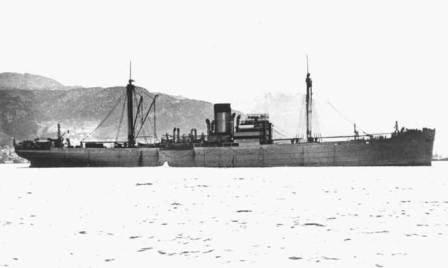
The German commercial raider Widder
4 June 1940 at 72°00N 5°00E
29 June 1940 at Trondheim Fjiod with damaged bows and port propellor. Suppied the German tanker Dithmarschen with 950 tons of fuel oil
12 July 1940 hull and propellor repaired
19 July 1940 sailed Stavenger escorted by five minesweepers
23 July 1940 arrived at Hamburg. The Captain Peter Grau was awarded a bar to his Iron Cross for good services
27 July 1940 damaged during an air raid near the Jutland coast.
27 August 1940 sailed Hamburg for Bremerhaven arriving the same day
10 September 1940 sailed Bremerhaven
12 September 1940 until 21 May, 1941 supplied the Admiral Scheer
12 September 1940 arrived at Gotenhafen
17 September 1940 sailed Gotenhafen
23 October 1940 sailed Gdynia
26 October 1940 arrived south west of Jan Mayen Island at 69°53N 13°09W
9 and 10 November 1940 re-supplied the German submarine U65 when on it's 5th patrol when approximately 360 nmiles NNW of Saint Peter & Pauls Rocks in position 06°27 N, 31°09W - supplies consisted of 106.6 tons of diesel, 2.6 tons of lubricating oil, 1.3 tons of general provisions and 7 tons of water
16 November 1940 met Admiral Scheer and refuelled her with 1327 tons of fuel oil
28 and 29 November 1940 in the same location as above supplied the same submarine with 18.7 tons of diesel, 6.6 tons of lubricating oil, 1.4 tons of general provisions, 10 tons of water and 6 torpedoes
7 to 9 December 1940 again re-supplied the same submarine when approximately 330 nmiles WNW of Saint Peter & Pauls Rocks in position 1°57N 34°45W with 46.3 tons of diesel, 2.8 tons of lubricating oil, 0.9 tons of general provisions and 4 tons of water. Also supplied various machine repair parts and repaired some of the machinery on the submarine
14 December 1940 met Admiral Scheer at 01°58N 35°04W supplying her with 1142 tons of fuel oil
30 December 1940 met Admiral Scheer at 25°56S 13°56W supplying her with 656 tons of fuel oil
2 January 1941 met and supplied the commercial raider 'Thor'
6 January 1941 met and refuelled the Admiral Scheer with 247 tons of fuel
24 January 1941 met and refuelled the Admiral Scheer with 524 tons of fuel, 6 tons of ammunition and 51 tons of provisions
26 January 1941 met and refuelled the prize Sandefjord with 153 tons of fuel, 11 tons of provisions and 119 tons of water
7 February 1941 met and refuelled the commercial raider 'Kormoran' off the Cape Verde Islands while disguised as an American ship Dixie supplying 1,339 tons of fuel and 15 torpedoes
15 February 1941 met and refuelled the commercial raider 'Pinguin'
18 February 1941 met and refuelled the German supply ship Alstertor with 185 tons of fuel
8 March 1941 met and refuelled the Battleship Admiral Scheer with approximatly 1900 tons of fuel, 124 tons of lubricant and 50 tons of provisions
11 March 1941 at 24°13S 15°43W
14 March 1941 Able Seaman Arthur Herbert Freeman a British merchant seaman and a prisoner held on the ship and originally captured on the ss Afric Star shot dead by German guards during a fire and what they (the Germans) perceived as an attempt to take over the ship . He is buried at VILLENAVE D'ORNON (ST. BRICE) COMMUNAL CEMETERY, Bordeaux, France
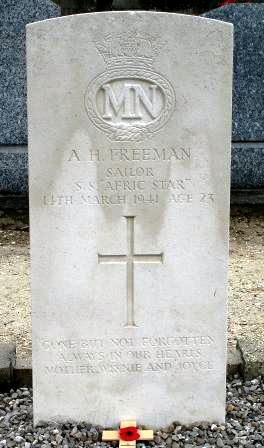
Courtesy and © of The War Graves Photographic Project
19 March 1941 at 02°52N 30°58W
30 to 31 March 1941 re-supplied the German submarine U106 when approximately 130 nmiles NNW of Saint Peter & Pauls Rocks in position 02°51N, 30°15W - supplies consisted of 199.8 tons of diesel, 2.8 tons of lubricating oil, 1.4 tons of general provisions, 7 tons of water and 12 torpedoes
1 April 1941 to 4 April 1941 met the tanker Ill and received 4,500 tons of fuel
8 April 1941 at 02°58W 30°59W met and refuelled the German submarine U105
9 April 1941 again re-supplied the German submarine U106 when approximately 160 nmiles NNW of Saint Peter & Pauls Rocks in position 02°51N, 27°33W - supplies consisted of 20.8 tons of diesel, 1 ton of lubricating oil, 1 ton of general provisions, 1 tons of water and 1 torpedo
13 April 1941 at 23°48S 20°39W
14 April 1941 while purporting to be an American tanker Prairie spotted by an seaplane from HMS ALCANTARA in the South Atlantic Ocean - challenged, accepted as genuine and allowed to continue on her voyage. Later it was found she was not the American ship named Prairie.
16 April 1941 supplied an Italian submarine Archimede in the South Atlantic Ocean with 123.6 tons of diesel, 3.2 tons lubricating oil and fresh water and 1 ton of general provisions and 0.5 tons of other items
16 and 17 April 1941 supplied another Italian submarine Guglielmotti in the South Atlantic Ocean with 150.2 tons of diesel, 6 tons of lubricating oil and fresh water and 1.2 tons of general provisions
17 April 1941 supplied a third Italian submarine Ferraris in the South Atlantic Ocean with 133.2 tons of diesel, 7 tons of lubricating oil,15 tons of fresh water, 2 tons of general provisions 675 litres of distilled water and 0.3 tons of other items
20 April 1941 at 27°41S 12°22W met and refuelled the commercial raider 'Atlantis'
21 April 1941 ar 27°37S 12°04W refuelled the commercial raider Kormoran with 300+ tons of fuel oil
23 April 1941 supplied a fourth Italian submarine Perla in the South Atlantic Ocean in "Andalusien" (26°00S 18°00W) providing 81.5 tons of diesel, 7 tons of lubricating oil, 6.5 tons of water and nearly 1.5 tons of provisions which included 0.31 tons of other stores
26 April 1941 refuelled the German supply ship Alstertor with 178 tons of fuel oil
27 April 1941 refuelled the raider Atlantis with 439 tons of water, 50 tons of provisions and 8 tons of munitions
3 to 4 May 1941 supplied the German submarines U 105 & U107 when NW of Saint Peter & Pauls Rocks - supplies to U107 consisted of 1.9 tons of diesel, 1.7 tons of lubricating oil in cans, 7 tons of water
9 May 1941 at 07°00N 31°00W - sailed to return to Germany
11 May 1941 at 18°23N 37°05W
14 May 1941 while returning to Germany from the South Atlantic one of her British prisoners died - Chief Engineer Officer Robert Scott Carruthers of the ss Craftsman who had been wounded when his ship was attacked and sunk by the German commercial raider 'Kormoran' on the 9 April 1941.
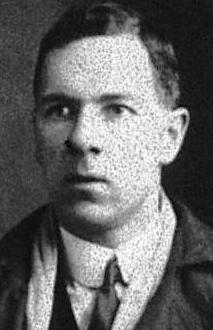
Chief Engineer Officer Robert S Carruthers
Mr Carruthers was buried at sea with full military honours and is remembered with pride on the Tower Hill Memorial
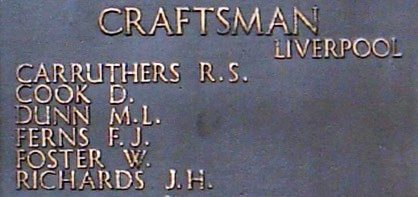
17 May 1941 at 44°30N 12°30W
19 May 1941 at 49°36N 00°02W and while returning to Germany her passage was via the English Channel under escort of ships of the German Navy and Airforce with no attack from British forces
20 May 1941 injured prisoners from ss Craftsman (including the ships Master who had been blinded) were discharged at Cuxhaven. Berthed later at Hamburg. Her deployment had lasted 212 days 16 hours and 25 minutes duting which the ship had covered a total of 33,664 nmiles and duting this period she had undertaken 41 refuelling or replenishments for 24 seperate vessels
12 March 1942 to April 1945 Operations in Norway
29 March 1942 arrived at Bergen, Norway
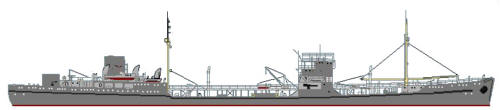
As the German supply ship Nordmark
31 March 1942 arrived at Trondheim Fjord, Norway
25 May 1942 sailed Sundal Fjord for Rombakenfjord, Norway
January 1943 refuelled the Hipper and the Lutzow in Kaafjord, Norway. She also refuelled the Cruiser Koln, the repair ship Neumark and five destroyers
February 1943 refuelled the Lutzow, destroyers Z-6 and Z-31 again plus the minesweepers M-3, M-81 and M-401 together with one other ship
March 1943 refuelled the Tirpitz at Kaafjord and a number of destroyers
April 1943 refuelled the Tirpitz, Scharnhorst, Lutzow, and the destroyers Z-4, Z-5, Z-15, Z-20, Z28 and Z31 toegther with torpedo boats and destroyers. The ships Captain - Fregattenkapitan Peter Grau - left the ship to take up a fresh appointment in Italy
May 1943 refuelled the battleships again and brought up ammunition from Narvik. The ships tanks were refilled by smaller tankers bringing fuel up from Kiel. Two of these were the Obrestadt and the Bromberg
June 1943 her tanks were again replenished by the small tanker Saarburg after which the battleships Tirpitz, Scharnhorst and Lutzow were refuelled
24 June 1943 moved from Kaafjord to Alten Fjord for oiling at sea exercises with the torpedo boat flotilla and the 5th Destroyer flotilla consisting of the destroyers Z-14, Z-15, Z-28 and Z-31. Returned to Kaafjord and anchored.
During the last week of June 1943 she replenished her tanks from the tanker Adria and again refuelled the Tirpitz and the T20 & T-21
July 1943 a new Commanding Officer was appointed - Korvettenkapitan Fritz Janke - he had previously been in command of the supply ship Karten
11 January 1945 sailed from Narvik escorted by four ships of the 7th Flotilla
17 January 1945 arrived at Trondheim to be used as a harbour depot ship
25 January 1945 sailed from Tronheim for Narvik
15 April 1945 south again for Trondheim arriving late on the same day
17 April 1945 sailed from Trondheim escorted by the minesweeper M-302 & M-361 to Alesund
End of April 1945 arrived at Copenhagen
9 May 1945 captured by British forces at Copenhagen
4 June 1945 due to shortage of tankers the Admiralty directed that she was to be sailed to Rosyth as soon as possible with minimal German crew. Her RN crew was to be provided from HMS DIADEM and the Polish Ship ORBI. If this was not possible she was to sail with her German crew but under a guard from HMS DIADEM and the ORBI - source Admiralty War Diary of this date page 1051
5 June 1945 refuelled
6 June 1945 sailed from Copenhagen for Rosyth
8 June 1945 arrived Rosyth escorted by HMS DIADEM and the Polish Ship ORBI - source Admiralty War Diary of this date page 66.
25 June 1945 arrived at Palmers, Hebburn on Tyne
30 November 1945 repairs and conversion completed
14 December 1945 the ships football team played a local team at Smith Dock Park
As a British Naval Auxiliary
January 1946 renamed Northmark and considered for RFA Service
11 January 1946 Captain John Smith RD RNR appointed as Commanding Officer
February 1946 sailed from the River Tyne for Milford Haven
4 May 1946 Stoker 1st Class Edward Walker D/KX 153047 discharged dead. He is buried in Milford Haven Cemetery in Section A grave 148
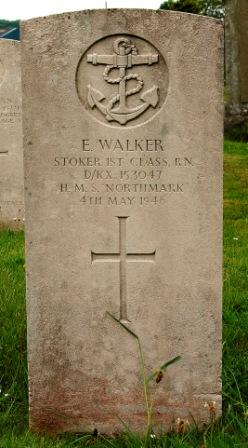
Courtesy and © of The War Graves Photographic Project
27 May 1946 sailed Milford Haven for Falmouth
13 June 1947 suffered boiler trouble at Pembroke Dock
30 June 1947 Captain Kenneth A Short DSO Royal Navy appointed as Commanding Officer
7 July 1946 sailed Falmouth for Portsmouth and entered No: 14 dock in the Dockyard
July 1947 on completion of refit was commissioned as HMS BULAWAYO

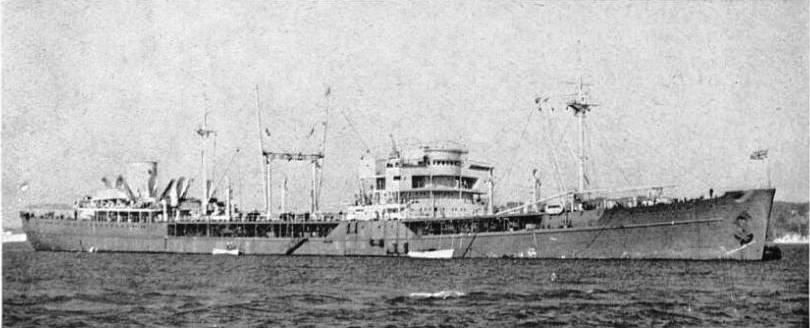
HMS BULAWAYO shortly after commissioning
29 September 1947 sailed from Portsmouth Harbour
1 December 1947 arrived at Sheerness from Portland
13 January 1948 the Times Newspaper reported -
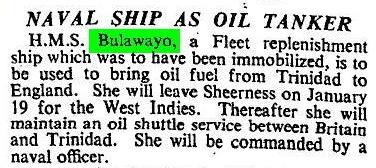
18 February 1948 sailed Sheerness to Point-a-Pierre, Trinidad arriving on 1 March 1948 to load.
4 March 1948 sailed Trinidad to Sheerness. A total of four of these round trips were made arriving at Sheerness on 15 March 1948
20 March 1948 Leading Signalman Ernest D Cook JX 142225 discharged dead. Sailed Sheerness to Trinidad
18 June 1948 RASed with HMS VANGUARD
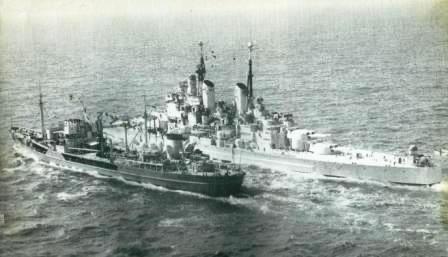
HMS VANGUARD RAS's with HMS BULAWAYO
29 June 1948 arrived Sheerness from Trinidad then to Chatham for a refit
24 July 1948 announced that the Home Fleet's Autumn Cruise to the West Indies and to South Africa. Among the ships taking part were to be HMS's DUKE OF YORK (Flagshire of Vice Admiral Sir Rhoderick R McGrigor KCB), THESEUS, VENGEANCE, DIADEM, SOLEBAY, BULAWAYO and RFA FORT BEAUHARNOIS
End of August 1948 sailed Chatham
13 September 1948 off Portland undertook a practice RAS with HMS JUTLAND
23 September 1948 entered Portland Harbour
14 October 1948 berthed at Portsmouth Harbour and entered for repairs
24 October 1948 arrived at Devonport
1 January 1949 Commissioned Boatswain William Howard Leaman Royal Navy appointed an Ordinary Member of the Military Division of the Most Excellent Order of the British Empire (MBE) in the New Years Honours List of this day
14 January 1949 at Portsmouth Dockyard moved berths from No: 3 Basin to No: 15 dry dock
2 February 1949 at Portsmouth Dockyard moved berths from No: 15 dry dock to No: 3 Basin
11 March 1949 Officers Cook Peter Burdett appeared before Portsmouth Magistrates' Court charged with larceny - he was remanded on bail for 14 days
24 March 1949 before Portsmouth Magistrates' Court Officers Cook Peter Burdett from the ship pleaded guilty to stealing a pair of trousers and was fined £5
6 April 1949 at Portsmouth Dockyard a fire was discovered in the cable bringing shore power to the ship. The Dockyard Fire Service was called and extinguished the blaze
August 1949 Captain Donald Fuller Royal Navy appointed as Commanding Officer
19 August 1949 the ships company dance was held at the Embassy Ballroom, Fawcett Road, Portsmouth
26 September 1949 sailed from Portsmouth Harbour
29 September 1949 berthed at Portsmouth Harbour
30 September 1949 the Portsmouth Evening News newspaper reported: -
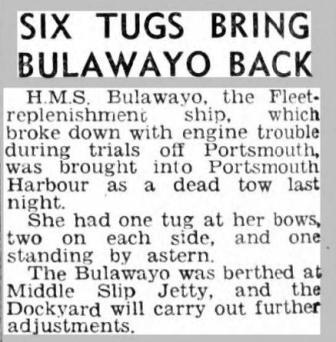
3 October 1949 Commander in Chief Portsmouth Admiral of the Fleet Sir Algernon Willis GCB, KBE, DSO visited the ship
11 October 1949 sailed from Portsmouth Harbour
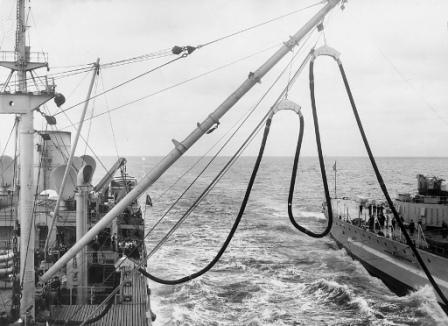

13 October 1949 berthed at Portsmouth Harbour
17 October 1949 sailed from Portsmouth Harbour
24 October 1949 arrived at Devonport
25 October 1949 sailed Devonport to Gibraltar arriving on 29 October.
31 October 1949 sailed Gibraltar to Malta GC
10 November 1949 berthed at Malta
22 November 1949 off Malta RASed with HMS GRAVELINES (trough method) - training RAS - only 47 tons of FFO transferred
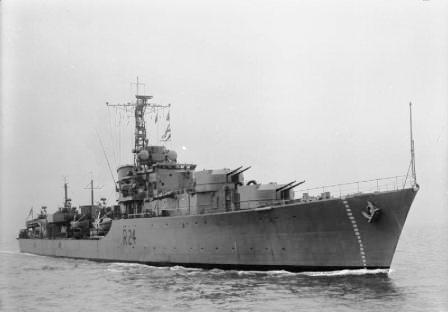
HMS GRAVELINES
23 November 1949 off Malta RASed with HMS GRAVELINES (trough method) - training RAS - only 24 tons of FFO transferred
29 November 1949 sailed Malta for alongside replenshment with HMS St AUSTELL BAY
2 February 1950 arrived at Gibraltar
6 March 1950 at Palma Bay with the Mediterrean Fleet
22 March 1950 arrived at Gibraltar
27 March 1950 sailed Gibraltar to Sheerness
1 April 1950 arrived at Sheerness
20 April 1950 Captain H Murray-Clark, Royal Navy was appointed as Commanding Officer
5 May 1950 sailed Sheerness
October 1950 into reserve at the Gare Loch Scotland and used as Headquarters Ship, Reserve Fleet, Clyde Division
21 January 1952 at the Gare Loch with HMS ZEEBRUGGE berthed alongside
30 January 1952 at the Gare Loch with HMS ZEEBRUGGE berthed alongside
4 October 1955 arrived for breaking up at Dalmuir, Scotland.
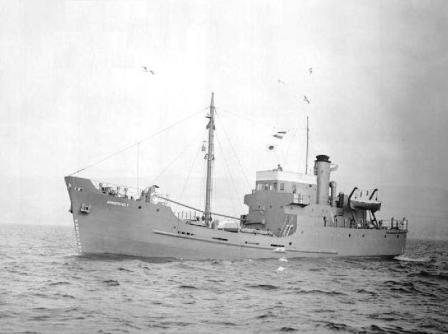
Image above © Imperial War Museum
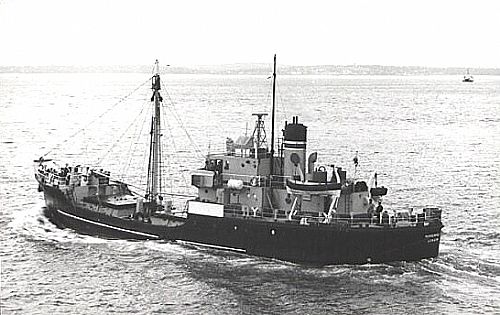
Official Number 181861
Class: GATLING CLASS Armament Stores Carrier
Pennant No: A135
Laid down:
Builder: Lobnitz & Co Ltd, Renfrew
Launched: 30 November 1945
Into Service: 14 March 1946
Out of service:
Fate: Broken up
Items of historic interest involving this ship: -
Background Information: - One of a group of five coasters which were not normally classed as RFA’s They are included here as the ancestors of the more modern ammunition ships These five ships were designed by the Director of Naval Construction to the requirements of the Naval Armament Department. They were designed for Pacific Operations to carry ammunition from larger ships offshore which were of too deep a draught to go close inshore to the coastal areas or small harbours and had their bottoms strengthened to permit grounding when loaded if required. This was a 1943 plan connected with a future invasion of Japan. As there was no requirement to carry large naval guns they were provided with two cargo holds. The order for them was placed in October 1944 and none of them was completed before the end of hostilities, which meant that only one of them (GATLING) was needed to proceed to the Far east to assist in the rehabilitation of Singapore. GATLING and NORDENFELT were completed to mercantile standards and were registered and classed with Lloyds Register and were run on National Maritime Board conditions, while the other three were on “Yard Craft” Dockyard agreements and were completed with naval style accommodation.
30 November 1945 launched by Lobnitz & Co Ltd, Renfrew as Yard Nr 1089 named NORDENFELT
14 March 1946 completed to mercantile standards
9 May 1947 passed the Lloyds Signal Station on the Lizard sailing east bound
27 August 1947 passed the Lloyds Signal Station on the Lizard sailing west bound
7 October 1947 sailed Liverpool for Plymouth
30 October 1947 when off Dungeness transmitted an SOS call. Tugs from Dover attended. Towed to Portsmouth by the Admiralty Tug Foremost 32
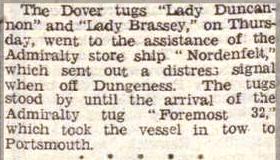
Press report from the Dover Express & East Kent News of 31 October 1947
31 October 1947 berthed at Portsmouth Harbour
24 March 1948 passed the Lloyds Signal Station on the Lizard sailing east bound
16 May 1948 arrived Workington having sailed from Plymouth
1 August 1948 sailed Belfast for Plymouth
15 February 1949 passed the Lloyds Signal Station on the Lizard sailing east bound
10 June 1949 passed the Lloyds Signal Station on the Lizard sailing west bound
27 March 1950 passed the Lloyds Signal Station on the Lizard sailing west bound
30 March 1950 Captain J K Pearce appointed as Master
27 April 1950 passed the Lloyds Signal Station on the Lizard sailing west bound
19 May 1950 passed the Lloyds Signal Station on the Lizard sailing east bound
3 August 1950 passed the Lloyds Signal Station on the Lizard sailing west bound
26 January 1951 Mr H Osborne appointed as Chief Engineer Officer
25 January 1955 passed the Lloyds Signal Station at Dover sailing east bound
13 January 1964 grounded off Alderney during a sleet storm but was refloated
September 1971 on disposal list at Devonport
11 February 1977 arrived Pembroke Dock for demolition
Notes:
- Based at Naval Armaments Depots Plymouth and Priddy's Hard between 1946 to 1959

Official Number: 168062
Class: SPRITE CLASS Spirit Carrier
Pennant No: A252
Laid down: 7 March 1940
Builder: Blythswood Shipbuilding, Scotstoun
Launched: 28 November 1940
Into Service: 11 February 1941
Out of service: Laid up 1954
Fate: Broken up at Williebroek, February 1964
Items of historic interest involving this ship: -
Background Data: There were two ships in this Class which were Admiralty-designed and they both spent most of their careers in U.K. and Mediterranean waters
9 October 1939 ordered
7 March 1940 laid down
28 November 1940 launched by Blythswood Shipbuilding Co Ltd, Scotstoun as Yard Nr: 65 named NASPRITE
19 December 1940 Mr L W Pool RFA appointed as Chief Engineer Officer
11 February 1941 completed at a cost of £ 97,207
12 February 1941 joined the Fleet Fuelling Service as a petrol carrier
April 1941 until February 1942 served as harbour oiler at Scapa Flow
10 July 1941 in collision with the corvette HMS MARIGOLD
29 July 1941 was damaged when going alongside the battleship HMS KING GEORGE V
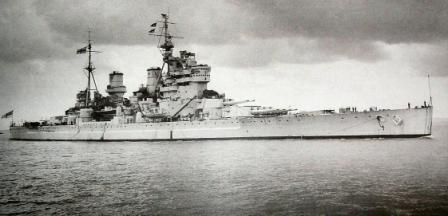
HMS KING GEORGE V
29 November 1941 at Scapa Flow alongside HMS DUKE OF YORK to refuel her - 2000 gallons of aviation spirit
9 February 1942 Captain Arthur J D Gosney RFA appointed as Master
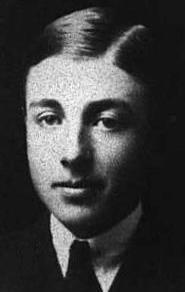
Captain Arthur J D Gosney RFA
23 February 1942 sailed Lyness for Grangemouth
9 April 1942 sailed Methil in convoy EN 69/2 to Oban arriving 11 April 1942
12 September 1942 Captain Francis J King RFA appointed as Master
5 October 1942 sailed Adrossan to the Clyde
18 October 1942 sailed the Clyde in convoy KX2 to Gibraltar arriving 29 October 1942 with RFA’s ABBEYDALE, BROWN RANGER, DERWENTDALE (1), DEWDALE (1), DINGLEDALE, ENNERDALE (1) and VISCOL. She was awarded the North Africa 1942 Battle Honour
30 October 1942 at Malta Able Seaman Grazio Magro discharged dead - drowned
20 May 1943 in Operation Husky - Naval Operation Orders dated this day - Appendix 1 - shows NASPRITE would be based at Malta to supply 80 octane spirit when refuelling off beaches
24 June 1943 sailed Algiers in convoy GTX3 in company with 26 other ships including RFA CELEROL, RFA CHERRYLEAF (1) and RFA OLIGARCH arriving Malta 28 June 1943
3 July 1943 sailed Alexandria
10 July 1943 In Operation Husky - the British element of the invasion of Sicily - along with RFA’s CEDARDALE, DERWENTDALE (1), ENNERDALE (1) and PEARLEAF (1)
17 July 1943 Mr T Dowling RFA appointed as Chief Engineer Officer
5 August 1943 arrived at Augusta - source Admiralty War Diary of this day
12 August 1943 NOIC Augusta reported to the Admiralty by signal that he intended sailing NASPRITE, RFA WAR KRISHNA and numerous Landing Craft escorted by HMS WHITING, HMS PIROUETTE and HMS GRAYLING as Convoy Pungent. RFA WAR KRISHNA to sail to Malta escorted by HMS PIROUETTE and HMS GRAYLING. The NOIC's signal did not indicate where NASPRITE was bound - source Admiralty War Diary of this day
22 August 1943 during Operation Husky - D plus 12 - a stick of bombs was dropped near Nasprite - no damage suffered - reported in C in C Meds report on Operation Husky page 521
23 August 1943 arrived at Augusta - source Admiralty War Diary of this day
26 November 1943 while going alongside the Ferry Vessel SS MESSINA in charge of a pilot the anchor davits and stem struck the passenger deck and wood rubbing band of the MESSINA. Slight damage to both vessels. MESSINA owned by the railway company and based at Messina. Location of collision not shown in the Admiralty War Diary of 28 November 1943 or in a signal from the Master of the NASPRITE to the Admiralty
1944 ran aground off Italy
27 May 1944 sailed Naples in convoy NV 41 to Malta arriving the next day
9 June 1944 sailed Naples in convoy NV44 to Malta arriving the next day
15 August 1944 in Operation Dragoon - the Allied invasion of the south of France - along with RFA’s CELEROL, DEWDALE (1) and ENNERDALE (1)
4 September 1944 sailed Naples in convoy NV62 to Augusta arriving on 5 September 1944
8 September 1944 sailed Augusta in convoy AH66 to Taranto arriving the next day
13 December 1944 Captain E H Butterworth RFA appointed as Master
14 April 1945 sailed Taranto under escort to Zara arriving on 16 April 1945
9 November 1945 arrived at Ancona from Venice
12 November 1945 sailed Ancona
21 November 1945 sailed Ancona to Bari arriving the same day
21 April 1946 at Malta Chief Engineer Officer Thomas Haddow RFA discharged dead - from shock and multiple injuries due to a fall ashore
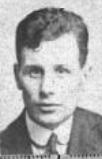
Chief Engineer Officer Thomas Haddow RFA
1 September 1946 Captain J Bottomley RFA appointed as Master
9 August 1947 Mr J Sinclair RFA appointed as Chief Engineer Officer
18 October 1947 Mr Andrew N Porteous RFA appointed as Chief Engineer Officer until 31 October 1947
24 May 1948 Mr F A Essam RFA appointed as Chief Engineer Officer
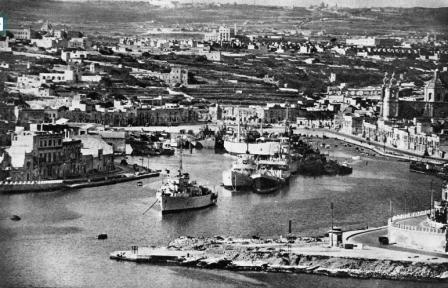
RFA's AIRSPRITE & NASPRITE alongside of each other in Misida Creek, Malta astern of HMS RIFLEMAN in February 1949
1 April 1949 Captain S P Rice RFA appointed as Master
4 May 1949 sailed Grand Harbour, Malta with RFA's SPABROOK, ROWANOL (2) and BLUE RANGER for overnight exercises with RN units and the Royal Air Force off Malta
4 July 1949 sailed Malta with RFA's FORT DUQUESNE, ROWANOL (2) and BLUE RANGER together with RN units for exercises off Navarin
12 September 1949 Captain D A C Butler RFA appointed as Master
15 November 1949 moored alongside HMS GRAVELINES at Malta - sailed 16 November 1949
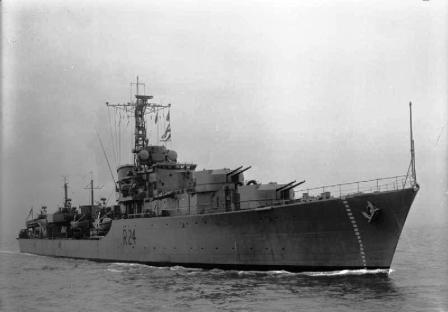
HMS GRAVELINES
12 April 1950 berthed at Malta this day from Gibraltar
28 November 1950 Mr J J Moore RFA appointed as Chief Engineer Officer
13 June 1951 Captain Allistoun M Macquire-Samson RFA appointed as Master
21 September 1951 alongside HMS MANXMAN
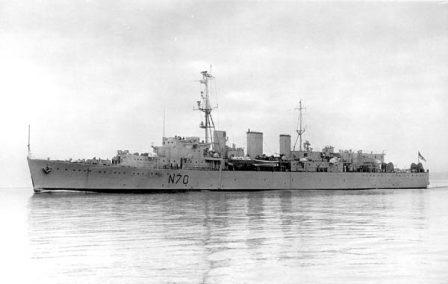
HMS MANXMAN
10 February 1952 Mr Charles W Urry RFA appointed as Chief Engineer Officer
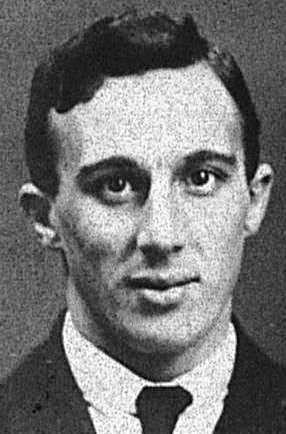
Chief Engineer Officer Charles W Urry RFA
28 February 1952 sailed Malta with RFA ROWANOL (2) for Cagliari, Sardinia
11 July 1953 Captain A H Mackenzie RFA appointed as Master
15 March 1954 sailed Malta for Gibraltar and Combined Fleet Exercises after which to Toulon, France
17 June 1954 in refit at Swan Hunter, River Tyne
15 July 1954 sailed the River Tyne for Rosyth
31 August 1954 laid up Devonport
August 1963 put up for disposal
3 September 1963 advertised for sale 'as lying' at H M Devonport in the Times of this day by the MoT
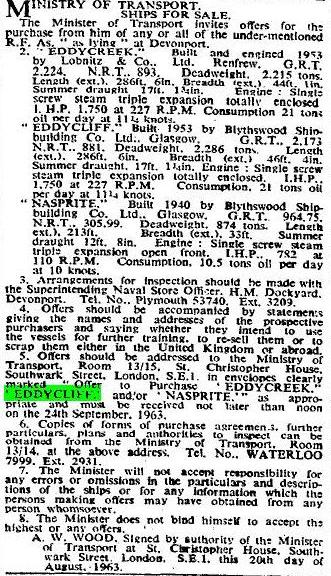
1964 reportedly sold to Lamico Shipping Co, Sussex
5 February 1964 arrived Antwerp for demolition by Scrappingco, Willebroek

ss Nigeria before service as an RFA
Previous name:
Subsequent name: Niger
Official Number: 114747
Class: Accommodation Ship
Pennant No: Y8.70
Laid down:
Builder: Raylton Dixon, Middlesborough
Launched: 6 May 1901
Into Service: 8 November 1916
Out of service: 1920
Fate: 1931 Broken up
Items of historic interest involving this ship: -
Background Data: One of a group of additional ships requisitioned by the Admiralty in WW1 to supplement the ships of the RFA
6 May 1901 Launched by Sir Raylton Dixon & Co Ltd, Middlesbrough as Yard Nr 479 named NIGERIA for the African Steamship Company (Elder Dempster, Managers) London
August 1901 completed with accommodation for 108 first class and 52 second class passengers
18 September 1901 sailed Liverpool on her maiden voyage for West African Ports
10 November 1901 sailed Freetown, Sierra Leone for Liverpool
4 February 1902 sailed Sierra Leone for Plymouth and Liverpool
15 February 1902 arrived at Plymouth from West Africa. This was reported in the Shields Daily News thus -
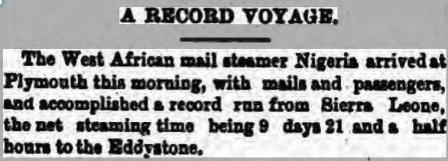
17 February 1902 arrived at Liverpool
8 March 1902 sailed Liverpool for West African ports
22 April 1902 sailed Lagos, Nigeria for Liverpool
10 May 1902 arrived at Liverpool
15 April 1903 sailed Teneriffe for the River Congo
27 May 1903 passed Teneriffe north bound while on passage from West Africa
2 June 1903 berthed at Southampton from West Africa
27 June 1903 sailed Liverpool for West Africa
10 August 1903 sailed Canary Islands for Maderia
11 August 1903 sailed Maderia for Liverpool
17 August 1903 arrived at Liverpool
5 September 1903 sailed Liverpool for West Africa
19 September 1903 berthed at Sekondi from Liverpool
26 October 1903 arrived Plymouth from West Africa then sailed the same day for Liverpool
25 November 1903 arrived at Sierra Leone from Liverpool
16 December 1903 sailed Lagos, Nigeria for Liverpool
3 February 1904 arrived at Sierra Leone from Liverpool
11 March 1904 off the Longship Channel passenger William J Bawden discharged dead - natural causes
13 April 1904 arrived at Sierra Leone from Liverpool
11 July 1904 sailed Lagos, Nigeria for Liverpool
22 July 1904 sailed Canary Islands for Plymouth and Liverpool
21 October 1904 berthed at Liverpool
2 September 1905 when on passage from Accra to Liverpool passed Sierra Leone
11 September 1905 arrived Las Palmas
20 September 1905 arrived Liverpool
9 June 1906 sailed Liverpool for West African ports
31 August 1906 arrived at Sekondi from Liverpool
18 November 1906 arrived at Sekondi from Liverpool
30 November 1906 sailed Sierra Leone for Liverpool
28 December 1906 sailed Old Calabar for Liverpool
31 December 1906 off Accra Clerk Jospeh Ellis Bruce discharged dead - natural causes
20 July 1907 arrived at Liverpool from West African ports
10 August 1907 sailed Liverpool for West African ports
25 August 1907 arrived at Sekondi
29 September 1907 sailed Libreville
14 October 1907 sailed Sierra Leone
19 October 1907 sailed from Grand Canaria for Liverpool
4 January 1908 sailed Liverpool for West African ports
1 February 1908 arrived at Plymouth from West African ports and sailed the same day for Liverpool
2 February 1908 arrived at Liverpool
23 February 1908 sailed from Liverpool for West African ports
11 July 1908 sailed Libreville for Liverpool
5 September 1908 sailed Liverpool for West African ports. Captain J Hughes was the Master with 54 passengers
14 November 1908 sailed from Grand Canaria for Liverpool
23 November 1908 berthed at Liverpool from West African ports
28 November 1908 sailed Liverpool to West African ports. Captain J Hughes was Master with 57 passengers
29 April 1909 arrived at Liverpool from West African ports
21 May 1909 arrived at Grand Canaria from Liverpool
9 July 1909 sailed Grand Canaria for Liverpool
31 July 1909 sailed Liverpool for West African ports
12 September 1909 sailed Lagos, Nigeria for Liverpool
20 October 1909 sailed Liverpool for West African ports. Captain J H Lawson was the Master with 82 passengers
18 December 1909 passed the Lloyds Signal Station on the Lizard when on passage from Plymouth to Liverpool
5 January 1910 sailed Liverpool for West African ports
31 January 1910 sailed Forcados for Bonny
2 November 1910 sailed Liverpool for West African ports. Captain R Minto was Master with 73 passengers and 9 soldiers
2 January 1911 arrived Plymouth from West African ports and sailed the same day for Liverpool
11 January 1911 sailed Liverpool for West African ports. Captain R Minto was Master with 67 passengers and 13 soldiers
17 January 1911 arrived at Lisbon from Liverpool
23 January 1911 arrived at Sierra Leone from Lisbon
29 March 1911 sailed Liverpool to West African ports. Captain R Minto was Master with 63 passengers and 11 soldiers
14 June 1911 sailed Liverpool to West African ports. Captain R Minto was Master with 58 passengers and 4 soldiers
1 September 1911 sailed Liverpool for West African ports. Captain R Minto was Master with 71 passengers, 26 soldiers and 4 Government servants
3 January 1912 sailed Liverpool to West African ports. Captain Fred Davis was Master with 78 passengers, 14 soldiers and 2 Government servants
10 January 1912 arrived at Las Palmas
2 June 1912 arrived at Sierra Leone
23 October 1912 sailed Liverpool to West African ports. Captain J B Wright was Master with 72 passengers, 13 soldiers and 2 Government servants
2 November 1912 sailed Sierra Leone
22 January 1913 arrived Sierra Leone
12 April 1913 arrived Sierra Leone
29 June 1913 arrived Sierra Leone
2 July 1913 arrived at Sekondi
17 August 1913 arrived at Plymouth
17 September 1913 arrived ar Sierra Leone
3 November 1913 arrived at Liverpool from Calabar
1 December 1913 arrived at Sierra Leone from Liverpool
6 December 1913 arrived at Lagos, Nigeria
12 January 1914 sailed Canary Islands for Liverpool
24 February 1915 sailed Liverpool for Sierra Leone, Accra and other West African ports with 50 passengers. Captain Robert K Pooley was Master
8 August 1915 sailed Falmouth for the Belgian Congo with 72 passengers. Captain Alfred J Day was Master
24 November 1915 sailed Liverpool for Sierra Leone, Accra, and other West African ports with 40 passengers. Captain James Tyrer was Master
15 March 1916 sailed Liverpool for Sierra Leone, Accra, Lagos and other West African ports with 43 passengers. Captain W E Griffiths was Master
24 May 1916 sailed Liverpool for Sierra Leone, Accra, Lagos and other West African ports with 59 passengers. Captain Robert K Pooley was Master
4 September 1916 sailed Liverpool for Sierra Leone, Accra, Lagos and other West African ports with 60 passengers. Captain J C Shooter was Master
8 November 1916 chartered by the Admiralty for service as an accommodation ship
23 January 1917 Steward William Gainford Bunn discharged dead - meningitus
9 March 1917 while serving as an accommodation ship was extensively damaged at Romanoff, Murmansk when a fire broke out aboard her. She was scuttled then later refloated and repaired.
1 April 1917 HMS IPHIGENIA berthed alongside wreck of RFA NIGERIA
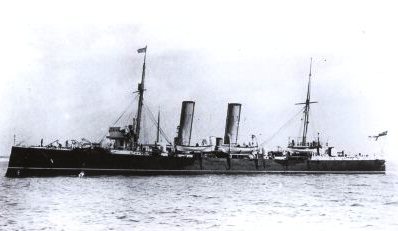
HMS IPHIGENIA
3 April 1917 salvage work commenced by crew from HMS IPHIGENIA
8 April 1917 tug No: 8 berthed alongside the wreck
13 April 1917 tug Sunderland made fast to wreck and moved her into stream. Both anchors let go
14 April 1917 diving operations commenced on ships propellors
17 April 1917 working party from HMS IPHIGENIA and the tug Sutherland employed in picking up wreck's starboard anchor
21 April 1917 working parties from HMS's GLORY and VINDICTIVE engaged onboard in salvage work. SS Tarbatness berthed alongside the wreck
28 April 1917 tugs St Cyr, Earl Essex and Sinessow made fast to wreck
29 April 1917 small fire discovered in No: 2 hold of the wreck (reserve bunker) - extinguished
10 May 1917 wreck moved to billett off Murmansk Pier with assistance of HMT Sunderland
14 May 1917 working parties engaged on clearing the holds of the wreck
18 May 1917 HMS IPHIGENIA cast off from wreck
26 May 1917 working party from HMS IPHIGENIA onboard
1918 converted to cargo service for the Shipping Controller (Elder Dempster - Managers)
1920 purchased by Mr Clause Langdon, London
1921 purchased by Cie Marseillaise de Navigation a Vapeur (Cie Fraissinet, Managers) Marseilles and renamed NIGER
1931 sold to Italian breakers for 250,000 Francs
30 October 1931 arrived for breaking up at Genoa.
Ships of the same name
Nigeria. Cruiser, 8,000 tons 555.5 x 62 feet, by Vickers Armstrong, Barrow and launched on the 18 July 1939. Armed with 12 x 6 inch, 8 x 4 inch and 6 torpedo tubes. Sold to the Indian Navy on the 29 August 1957 and renamed Mysore. Paid off on the 29 August 1985, broken up in 1986.
Battle Honours for this Vessel: ATLANTIC 1941, NORWAY 1941, ATLANTIC 1942, MALTA CONVOYS 1942, SABANG 1944, BURMA 1944-5, EAST INDIES 1945.

Previous name: Roslin Castle
Subsequent name:
Official Number: 123015
Class: Tender / Ferry
Pennant No: X76
Laid down:
Builder: Hawthorns, Leith
Launched: 14 March 1906
Into Service: 25 March 1908
Out of service: 11 October 1948 sold commercially
Fate: 14 February 1949 Broken Up
Items of historic interest involving this ship: -
Background Data: She was originally built as a sloop for her owners’ Firth of Forth ferry service. Did not become RFA manned until 1944 when she served on the River Medway Ferry Service, employed on service between Chatham - Sheerness - ships in the Medway area in connection with the assembly for Operation Overlord
14 March 1905 launched by Hawthorn & Co, Leith as Yard Nr: 110 named ROSLIN CASTLE for Galloway Saloon Steam Packet Co., Leith
May 1905 completed at a cost of £12,210
8 June 1906 when between the Bass Rock and North Berwick a passenger was seen to jump over the side. He was rescued by a boat lowered from the Roslin Castle
23 June 1906 sailed Leith and when off Seafield ran aground on a sand bank. Managed to get off returning to Leith docks
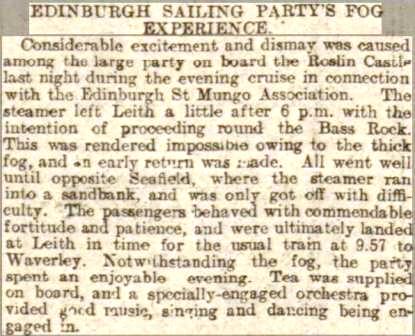
Press report from the Edinburgh Evening News of 23 June 1906
7 September 1906 the Sanitory Congress which was holding a meeting at the Queen's Hotel, Leith adjourned to the Roslin Castle for a cruise on the Forth from the West Pier, Leith at the invitation of the Corporation of Leith
25 March 1908 purchased by the Admiralty for £15,500 for service as a tender based at Sheerness and was renamed NIMBLE
22 January 1910 following a General Election the Sphere newspaper reported that -
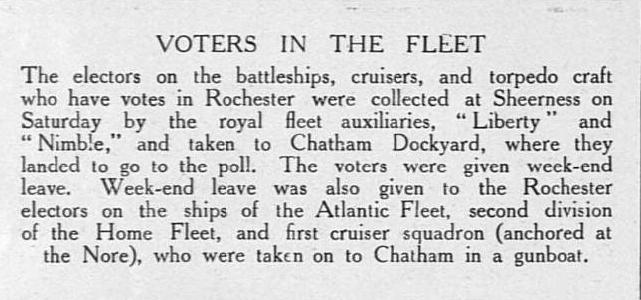
16 October 1914 arrived at Dover
on the Chatham - Sheerness ferry service
served on PoW exchange duties at Boston
21 February 1919 at Chatham alongside HMS BACCHANTE discharging kit bags and hammocks of active service ratings to depot
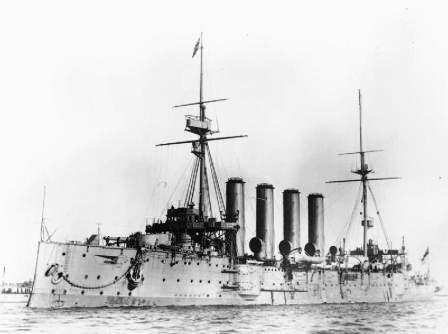
HMS BACCHANTE
14 July 1919 came alongside HMS EREBUS which was anchored off Sheerness Dockyard
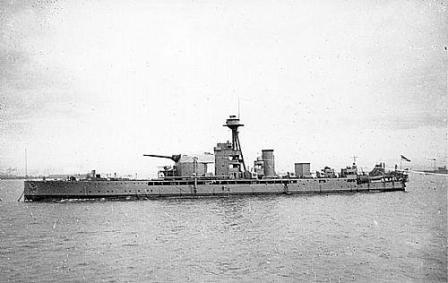
HMS EREBUS
8 December 1920 at Sheerness berthed alongside HMS YARMOUTH to take crew to Chatham with the warship being reduced to Nore reserve
1922 laid up at Chatham
13 May 1923 at the Great Nore alongside HMS REPULSE ferrying part of the crew into Sheerness
26 July 1924 used a VIP transport for the Kings Fleet Review at Spithead - the reviwed included RFA PETRONEL
ferry steamer based at Chatham Dockyard on river and harbour passenger service
21 April 1939 the Chatham News reported -
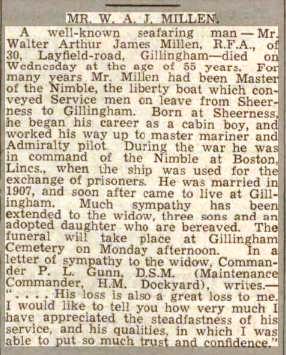
17 December 1941 laid up at Chatham
2 April 1944 became RFA manned and renamed RFA NIMBLE. Acted as the Medway Ferry Service between Chatham and Sheerness
8 December 1947 placed on care and maintenance basis
11 October 1948 disposal arranged by the Director of Ships and Transport and was purchased by Lloyds Albert Yacht and Motor Packet Service, Southampton renamed NIMBLE
14 February 1949 arrived Boom for breaking up
Notes:
Along with the ferry HARLEQUIN was supposed to have been replaced by the purpose-built MAGICIAN but the latter was turned over to the War Department on completion for use as an Army Hospital Ship and was not returned to the R.N. until 1945

Previous name: C65
Subsequent name:
Official Number:
Class: Steam Coaling Craft / Fleet Messenger
Pennant No: Y 4.49
Laid down: 1915
Builder:
Launched:
Into Service:
Out of service:
Fate:
Items of historic interest involving this ship: -
21 February 1917 Able Seaman George William Astrop MMR 537084 discharged dead through illness. He is buried in Dunkirk Town Cemetery, Belgium in grave I F 2
13 March 1917 Lieutenant John Davies RNR appointed in Command
5 January 1918 Engineer Sub Lieutenant Stephen D Spoor RNR appointed as Chief Engineer Officer until 23 March 1919 when posted to RFA SUNHILL
11 May 1922 sailed Goole with a cargo of coal for Chatham dockyard
5 October 1923 sailed Albert Dock, Hull in ballast
12 October 1923 sailed Immingham with a cargo of coal and coke
23 May 1924 sailed Hull to Goole in ballast
15 July 1924 berthed on Sheer Jetty, Portsmouth Harbour
8 September 1924 sailed Albert Dock, Hull to Goole in ballast
19 September 1924 berthed on the Sheer Jetty at Portsmouth Harbour
6 December 1924 sailed from Portsmouth Harbour
8 December 1924 arrived at Plymouth
19 February 1925 sailed from Portsmouth Harbour
1 April 1925 sailed from Portsmouth Harbour
2 May 1925 berthed at Portsmouth Harbour
24 May 1925 berthed at Portsmouth Harbour
23 July 1925 sailed Portsmouth Harbour
5 August 1925 berthed at Portsmouth Harbour
6 September 1925 sailed Portsmouth Harbour
18 September 1925 berthed at Portsmouth Harbour
3 October 1925 berthed at Portsmouth Harbour
9 October 1925 sailed Portsmouth Harbour
28 October 1925 sailed Portsmouth Harbour
4 November 1925 berthed on the Sheer Jetty at Portsmouth Harbour
11 November 1925 berthed at Portsmouth Harbour
31 July 1926 berthed at the Round Tower, Portsmouth Dockyard
21 March 1927 berthed on Sheer Jetty, Portsmouth Dockyard
25 April 1927 arrived at Plymouth from Portsmouth
29 September 1927 sailed Hull to the River Tyne in ballast
8 August 1928 sailed West Hartlepool in ballast
29 September 1928 sailed Grangemouth to Methil
11 January 1929 together with RFA ARGO berthed alongside in the Tidal Basin of Portsmouth Dockyard
20 March 1929 berthed in the Tidal Basin of Portsmouth Dockyard
6 August 1929 berthed on Sheer Jetty, Portsmouth Dockyard
28 September 1929 sailed Goole with a cargo of coal for Chatham Dockyard
1930 renamed Nora
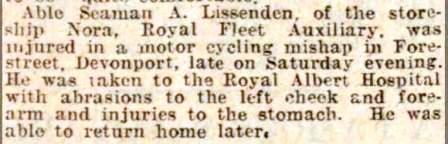
Press report from Western Morning News of 9 January 1933
15 January 1930 sailed Plymouth for Portsmouth
1 January 1931 detailed in a published list of RFA's in Portsmouth Harbour together with RFA KIMMEROL, RFA EBONOL, RFA PETRONEL, RFA ORANGELEAF (1), RFA WAR AFRIDI, RFA PRESTOL, RFA BRITISH LANTERN, RFA LIMOL, RFA WAR SIRDAR, NAV ISLEFORD and NAV UPNOR
6 January 1931 arrived at Goole from Hull
21 January 1931 arrived at Goole from London
23 January 1931 sailed Goole with a full cargo of coal
7 February 1931 arrived at Goole from London
9 February 1931 sailed Goole with a full cargo of coal
18 February 1931 sailed Goole with a full cargo of coal
14 December 1932 berthed at Portsmouth Harbour on North Corner Jetty
25 January 1933 detailed in a list of RFA's in Portsmouth Harbour together with RFA KIMMEROL, RFA ELMOL, RFA PETRONEL, RFA APPLELEAF (1), NAV ISLEFORD and NAV UPNOR
24 April 1933 at Portsmouth Harbour berthed in the Tidal Basin
7 August 1933 passed the Lloyds Signal Station on the Lizard sailing east bound
1939 replaced by RFA Robert Middleton then reduced to a hulk for the storage of ammunion on the River Medway.


RFA Nucula along side HMS Renown in Auckland Harbour, New Zealand
Previous name: Hermione, Soyo Maru, RN Oiler No: 73
Subsequent name:
Official Number: 123992
Class: Station Oiler
Pennant No: Y7.220
Laid down:
Builder: Armstrong Whitworth & Co.
Launched: 24 July 1906
Into Service: 1922 (as an RFA)
Out of service: 10 June 1937
Fate: Scuttled
Items of historic interest involving this ship: -
Background Data: Acquired from commercial owners in the early Twenties, this tanker had a very short life with the Admiralty before being transferred to the New Zealand Government as their Navy’s first oiler to provide afloat support for their new cruisers HMNZS's DIOMEDE and DUNEDIN. Her main use was in transporting fuel oil from San Pedro in California to Auckland
24 July 1906 launched by Armstrong, Whitworth & Co Ltd, Newcastle as Yard Nr: 776 named HERMIONE for Oil Tank Steamship Co Ltd (C.T. Bowring & Co Ltd, Managers) Liverpool
September 1906 completed
16 October 1906 sailed Penarth for Philadelphia
31 October 1906 arrived at Philadelphia from Penarth
18 November 1906 the Lloyds Signal Station on St Catherines Point, Isle of Wight reported that the ship, on passage from Philadelphia to London, was five miles south east of the Signal station flying a signal 'Not Under Control'
15 December 1906 sailed Philadelphia for the UK
3 January 1907 sailed Las Palmas for Liverpool
27 February 1907 sailed Newport, Wales for Philadelphia
18 March 1907 sailed Philadelphia for Plymouth
8 July 1907 sailed London for Philadelphia
27 August 1907 arrived at Monte Video from Liverpool
11 November 1907 arrived at Liverpool from the River Plate
1908 purchased by Toyo Kisen Kaisha, Yokohama and was renamed SOYO MARU
13 January 1908 berthed at Pacific Street Wharf, San Francisco on first voyage from the UK for her new owners carrying 7,600 cases of champagne. She had come under the charge of British Officers while her Japanese Officers remained onboard as passengers. All the ships tankers were filled with freight. One tank was filled with pebbles in sacks as ballast. A serious accident occured when a temporary tackle which had been rigged to assist in the removed of the sacks of ballast through the open tank lid. The hook attached to a block fell and hit the head of George Greeves, a long shoreman who sustained a fractured skull. Reported at length in the newspaper 'The San Franciso Call' of 14 January 1908
5 February 1908 legal action in the San Francisco Courts against the owners of the Soyo Maru for damage caused to part of the cargo which had been off loaded on her arrival at San Franciso
9 February 1908 sailed from Gaviota, California with a cargo of oil for Japan
10 March 1908 arrived at Yokohama, Japan
19 May 1908 arrived at Gaviota, California from Yokohama
27 May 1908 sailed Gaviota, California for Japan
19 June 1908 arroved Yokohama from Gaviota
1 October 1908 arrived at Port Arthur, Texas from Yokohama, Japan
5 December 1908 sailed Philadelphia for Avonmouth Dock
20 December 1908 arrived Avonmouth Dock
24 December 1908 sailed Avonmouth Dock for Kustendje
5 February 1909 arrived at Payta from Yokohama
5 March 1909 berthed at Honolulu, Hawaii from Lobitos, Peru for bunkers
6 March 1909 sailed Honolulu, Hawaii for Japan
6 July 1909 berthed at Honolulu, Hawaii from Lobitos, Peru for bunkers. Carrying a cargo of 5,913 tons of crude oil
9 July 1909 sailed Honolulu, Hawaii for Japan
18 January 1910 arrived Honolulu from Peru
23 June 1910 arrived at Colombo from New York for Yokohama
3 September 1910 sailed Teneriffe for Liverpool
15 May 1911 arrived at Port Said
8 October 1912 suffered an engine room fire in the Malacca Straits about 160 miles north of Singapore. The cargo, passengers and crew were safe - reported in the Hong Kong Telegraph of 11 October 1912
11 November 1912 the Globe (an English newspaper) reported that -
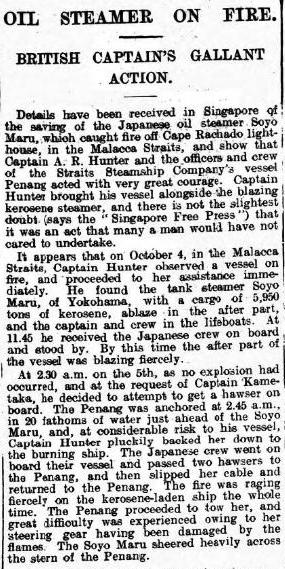
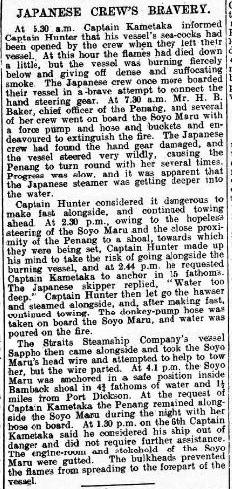
6 December 1912 - Hong Kong press reports indicate that the fire damage (see above) is extensive around the poop
14 February 1914 sailed Southampton for Port Arthur
7 April 1915 requisitioned by the Shipping Controller (F.C. Strick, Managers) and was renamed NUCULA and served as R.N. Oiler Nr: 73 until 15 August 1915
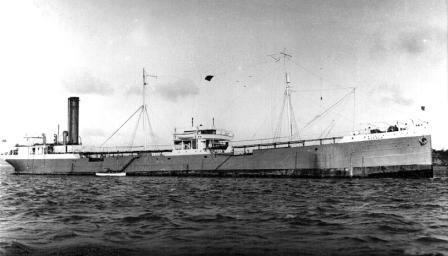
29 September 1917 managers became Anglo Saxon Petroleum Co Ltd, London and served as R.N. Oiler Nr: 220. with name unchanged
13 April 1918 berthed at New York having sailed from Liverpool. Captain Bernard Charles Wilton as Master with 56 crew
10 September 1918 berthed at New York having sailed from Plymouth Captain George William Ferris as Master with 56 crew
23 November 1918 berthed at Galveston from New York
13th December 1918 sailed Gravesend for Philadelphia
8 January 1919 at Marus Hook, Philadelphia Fireman Yin Leong discharged dead from natural causes. He had signed on on 7 November 1917 at Singapore
January 1919 was stated to be in very poor condition and was recommended for disposal by the Director of Transport. The Admiralty approved expenditure of £50,000 to refit her for retention and she was purchased on their behalf by Anglo Saxon Petroleum Co Ltd, London, remaining under their management
11 January 1919 sailed Philadelphia for Falmouth
23 March 1919 arrived at New Orleans from London
18 April 1919 passed the Lloyds Signal Station on the Lizard sailing east
19 April 1919 arrived at Falmouth from New Orleans (reported in the New York Tribute newspaper on 20 April 1919)
18 July 1919 sailed Gravesend via Grangemouth to Philadelphia
12 August 1919 reported by radio to Lloyds at Lerwick passing drifting mines at 69°55N 13°40E and at 65°05N 12°11E
25 September 1919 passed the Lloyds Signal Station on the Lizard sailing east
23 October 1919 and 24 October 1919 at Port of Spain, Trinidad moored alongside HMS RENOWN to refuel her - supplied 3,709 tons of FFO
8 December 1919 arrived at Trinidad from Thames Haven
19 May 1920 arrived at Galveston, Texas from Port Talbot
13 June 1920 arrived at Sheerness from Galveston
5 July 1920 arrived at Port Said from Sheerness
11 August 1920 at Suez Chief Steward J E Smith discharged dead - drowned
29 October 1920 arrived Suez from Abadan. RFA WAR BHARATA also arrived the same day and also from Abadan
10 November 1920 at Suez Fireman Ah Sang discharged dead with beri beri. He signed on at Singapore on 14 October 1920
28 December 1920 Lloyds Telegrams reported that Nucula was in collision with the British steamer British Emperor outside of the Bussorah Bar, Euphrates. Damage was reported to be serious
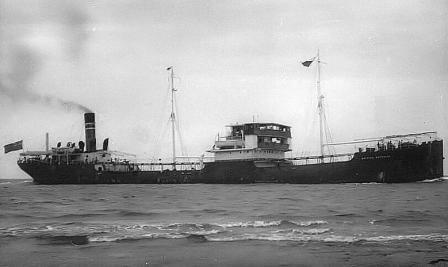
ss British Emperor
25 April 1921 sailed Port Arthur, Texas to the Clyde
16 May 1921 arrived at Greenock from New Orleans
21 May 1921 sailed Glasgow in ballast for a Texan port
11th June 1921 arrived at Port Arthur from the Clyde
26 July 1921 sailed the Clyde for Port Arthur
10 August 1921 berthed at Port Arthur, Texas
19 August 1921 sailed Beaumont, Texas for Devonport
7 September 1921 arrived at Queenstown, Ireland for Haulbowline from Port Arthur
12 September 1921 sailed Queenstown for Beaumont, Texas
3 October 1921 arrived at Port Arthur, Texas from Queenstown, Ireland
7 October 1921 sailed Port Arthur, Texas for Sheerness
29 October 1921 arrived at Sheerness from Port Arthur, Texas
6 December 1921 sailed Sheerness for Beaumont, Texas
30 December 1921 arrived at Port Arthur from Sheerness
29 January 1922 berthed at Portsmouth Harbour
3 February 1922 sailed Portsmouth for Port Arthur, Texas
26 February 1922 arrived at Port Arthur, Texas from Portsmouth
10 March 1922 berthed alongside at Bermuda Dockyard
14 March 1922 sailed Bermuda Dockyard
22 March 1922 arrived at Port Arthur, Texas from Bermuda
25 March 1922 sailed Port Arthur, Texas for Devonport
2 May 1922 shortly after arrival from Port Arthur, Texas extensively damaged from a collision with the British m.v. CALCHAS off Old Kilpatrick on the River Clyde
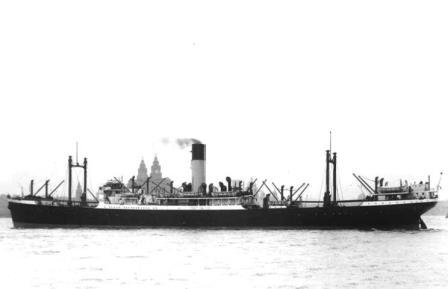
ss CALCHAS
10 May 1922 sailed Old Kilpatrick for Port Arthur
June 1922 transferred to Admiralty management for service as an oiler on the China Station
14 June 1922 Captain John R Gorrie RFA appointed as Master
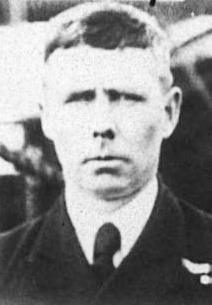
Captain John R Gorrie RFA
20 June 1922 Radio Officer Arthur R Winter RFA signed on this day. He had previously sailed as a Radio Officer on RFA RUTHENIA
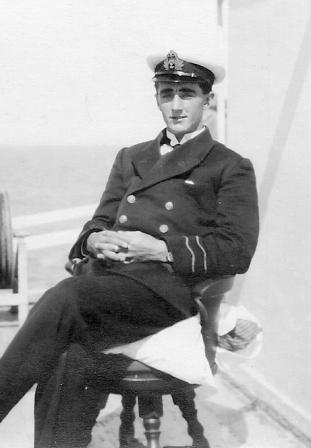
Radio Officer Arthur R Winter RFA
22 June 1922 berthed at Devonport Dockyard
`5 July 1922 sailed Plymouth
24 July 1922 when on passage to Yokohama passed Malta this day
4 August 1922 arrived at Aden sailing the same day for Yokohama
10 September 1922 berthed at Hong Kong. The Officer of the Guard from HMS BLUEBELL boarded
11 October 1922 it was reported in the Straits Times of this date in Singapore that NUCULA had taken over from RFA PEARLEAF (1) and that PEARLEAF would be returning to England
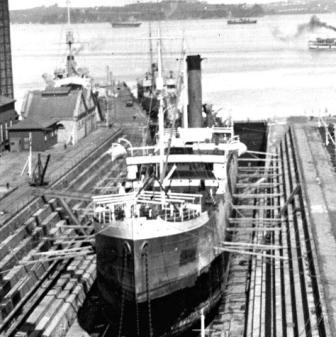
RFA Nucula in dry dock
26 March 1923 at Hong Kong with HMS MOTH berthed alongside
28 March 1923 at Hong Kong with HMS TARANTULA berthed alongside to refuel
12 April 1923 at Hong Kong
21 April 1923 arrived at Wei-Hai-Wei
11 May 1923 at Wei-Hai-Wei berthed alongside HMS DURBAN
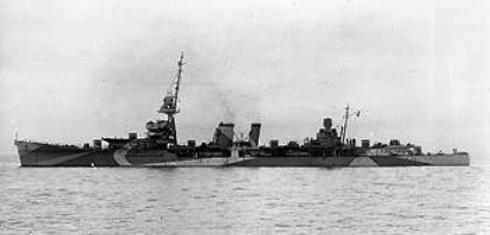
HMS DURBAN
15 June 1923 at Wei-Hai-Wei alongside HMS DURBAN to refuel her
16 June 1923 at Wei-Hai-Wei alongside HMS DESPATCH to refuel her
20 June 1923 sailed Wei-Hai-Wei
1 August 1923 at Wei-Hai-Wei stores party from HMS DURBAN working onboard
14 August 1923 arrived at Wei-Hai-Wei. A working party from HMS DESPATCH came onboard
1 September 1923 while at Wei-Hai-Wei a signal was received which ordered her to Nagasaki to act as the Base Oiler there during the Yokohama Earthquake Relief Operations
8 September 1923 arrived at Wei-Hai-Wei and berthed on HMS CARLISLE to refuel her. Later moved and anchored
9 September 1923 at Wei-Hai-Wei with HM Submarines L5, L15, L19 and L33 berthed alongside to refuel
11 September 1923 sailed from Wei-Hai-Wei
29 September 1923 at Nagasaki, Japan with HMS DESPATCH berthed alongside - supplied the warship with 120 tons of FFO
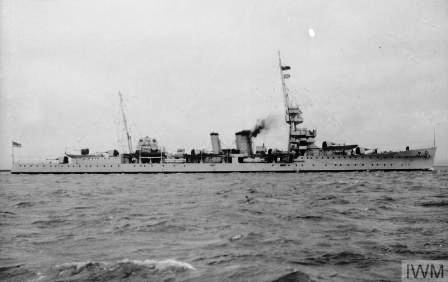
HMS DESPATCH
November 1923 returned to Hong Kong on completion of Relief Operations at Nagasaki following the Yokohama Earthquake
19 November 1923 at Hong Kong secured to No: 2 buoy
3 December 1923 Captain Richard D Williams RFA appointed as Master
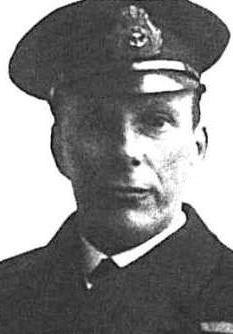
Captain Richard D Williams RFA
11 January 1924 at Hong Kong with HMS DIOMEDE berthed alongside
22 January 1924 at Hong Kong with HMS DESPATCH berthed alongside - supplied the warship with 535 tons of FFO
13 February 1924 arrived at Hong Kong and secured to No: 2 buoy
17 February 1924 at Aden
22 February 1924 at Bombay, India
23 February 1924 Mr Richard M Marrack RFA appointed as Chief Engineer Officer. He had previously served on RFA DREDGOL
25 February 1924 at Colombo, Ceylon
1 March 1924 Captain Cyril F Haughton RFA appointed as Master. The ship was at Singapore
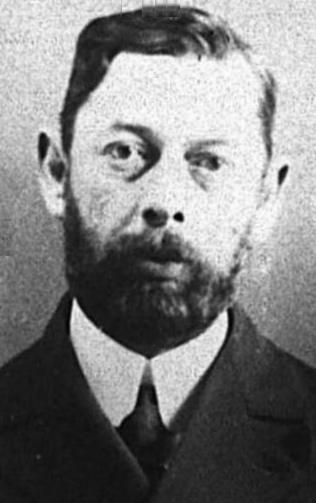
Captain Cyril F Haughton RFA
24 March 1924 at Hong Kong
5 April 1924 sailed from Singapore
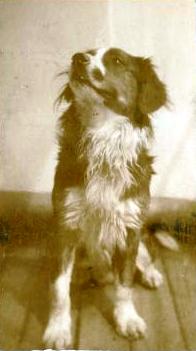
1924 fuelled ships of the Special Service Squadron led by the Battle Cruiser HMS HOOD on their world tour and accompanied them to Australia and New Zealand
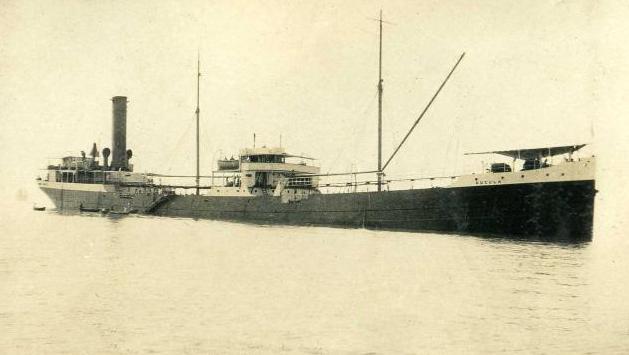
24 May 1924 at Suva, Fiji alongside HMS HOOD refuelling her - supplied 1,049 tons of FFO to the warship
26 May 1924 at Suva, Fiji alongside HMS REPULSE to refuel her
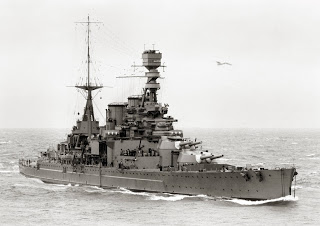
HMS REPULSE
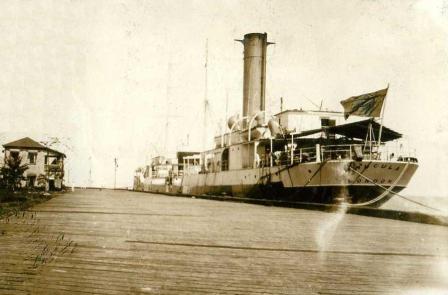
27 May 1924 transferred to the New Zealand Government at Suva as a Naval Oiler, and was converted for European manning at a cost of £2,500. Was transferred at a rate of £16,500 per annum. Her name was unchanged
5 June 1924 arrived Auckland for the first time. Between 06/09/24 and 23/10/47 she visited Auckland 28 times
1 July 1924 berthed at Melbourne, Australia from Auckland
3 July 1924 sailed Melbourne, Australia for Singapore
24 July 1924 the New Zealand Government budget presented to the New Zealand parliament recorded the fee for the hire of the Nucula charged by the Admiralty was £16,500 per annum
7 September 1924 berthed at Auckland, New Zealand from Suva
September 1924 a wooden chest the property of a member of the crew was stolen from the ship while it was berthed at the Sheerlegs Wharf, Devonport, Auckland. The chest was found floating in the harbour with part of its contents missing
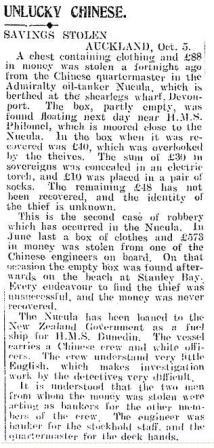
(Hawera & Normanby Star, 10 October 1924). Alexander Turnbull Library, Wellington, New Zealand.
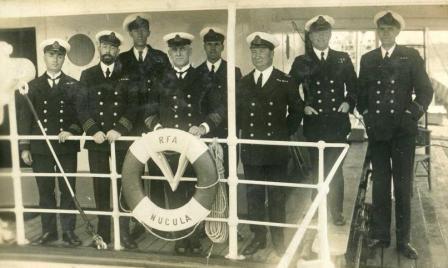
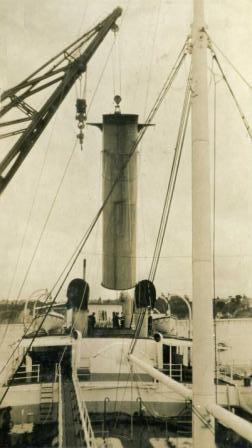

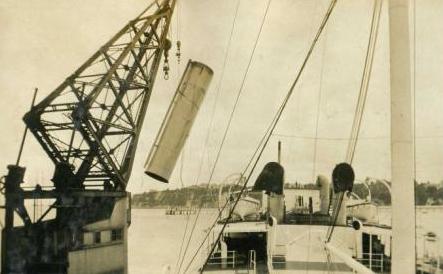

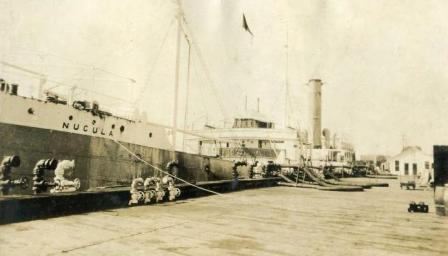
9 May 1925 sailed Auckland, New Zealand for San Pedro, California
11 June 1925 sailed San Pedro, California
21 November 1925 at Auckland, New Zealand Chief Engineer Officer Richard Marrack RFA discharged dead - heart failure
22 November 1925 Mr Harold R Bullimore RFA appointed as Chief Engineer Officer
30 November 1925 Captain Arthur W Beardsall RFA appointed as Master
12 May 1926 the New Zealand Division of the Royal Navy advertised in the New Zealand Evening Post for a 3rd and 4th Engineer Officers - the advert was similar to that pictured below (1936)
17 September 1926 berthed at Auckland, New Zealand from San Pedro
2 November 1926 sailed Auckland, New Zealand for San Pedro
21 March 1927 and the 5 April 1927 the New Zealand Division of the Royal Navy advertised in the New Zealand Evening Post for a 2nd Officer - the adverts were similar to that pictured below (1936)
22 July 1927 the ship's quartermaster Richard Jessup was seen to throw himself overboard while the ship was on passage from Papeete after receiving bad news concerning a serious medical condition. A three hour search failed to find him - discharged dead
28 December 1927 sailed San Pedro for Auckland, New Zealand
18 January 1928 arrived at Auckland, New Zealand from San Pedro
23 February 1928 at Samoa in support of HMNZS DUNEDIN and HMNZS DIOMEDE. The warships mission was to round up troublesome Mau Suva for Auckland, New Zealand
3 April 1928 arrived at Auckland, New Zealand from Suva
6 July 1929 sailed Sydney, NSW, Australia for New Zealand having refuelled HMNZS's DUNEDIN and DIOMEDE
1930 the Admiralty approval was given to the New Zealand Government to sub-charter her to commercial firms for time or voyage charters
14 November 1930 crew members refused to sign new ships articles
17 November 1930 the crew walked off the ship in dispute over manning levels. They were replaced by RNZN sailors from the Naval training ship HMNZS PHILOMEL
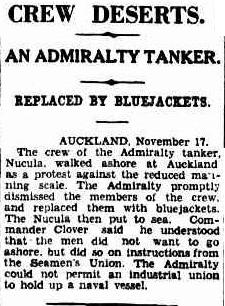
1 January 1931 her transfer rate was reduced to £3,250 per annum
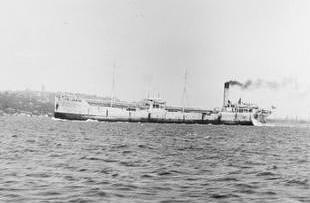
RFA NUCULA sails from Sydney, NSW, Australia
15 January 1931 berthed at Garden Island, Sydney, NSW Australia from San Francisco to discharge
2 May 1931 berthed at San Franciso, Calafornia from Auckland
16 June 1931 arrived at Auckland, New Zealand from Sydney, NSW
13 July 1931 Captain G Attwood RFA appointed as Master
15 July 1931 sailed for Bora Bora, Society Islands to refuel HMS DIOMEDE
15 September 1931 berthed at Auckland, New Zealand
16 September 1931 sailed Auckland, New Zealand for San Francisco, USA to load
30 June 1932 sailed Los Angles CA for Wellington, New Zealand
5 August 1932 floated out of dry dock at Auckland
8 December 1932 at Auckland members of the crew saw a yacht 'Ramona' overturn. A signal was sent to HMS Diomede who lauched a sea boat and rescued the yacht's crew
14 January 1933 entered Devonport for refit
17 March 1933 in Calliope Dry Dock, Auckland, New Zealand
11 July 1933 at Suva, Fiji alongside HMS DUNEDIN refuelling her
3 August 1933 sailed San Francisco, USA for Auckland, New Zealand
26 August 1933 in collision with HMAS AUSTRALIA and lost an anchor while alongside the cruiser refuelling her at Russell. The anchor was recovered by divers and the Nucula suffered no damage. HMAS AUSTRALIA suffered hull damage which required dockyard repairs
4 April 1934 sailed Auckland for Colombo and the Persian Gulf to load
11 April 1934 suffered engine troubles while en-route from New Zealand to Abadan. Diverted to Sydney, NSW for repairs
12 April 1934 sailed Sydney, NSW to continue to Abadan
15 May 1934 sailed Abadan for Auckland, New Zealand
June 1934 during a voyage from Abadan to Auckland, she suffered major damage to her superstructure off the NE coast of Australia in a cyclone and nearly sank in the huge seas. Extensive repairs were required on arrival Auckland
2 October 1934 arrived at Sydney, NSW from Borneo - arrival reported in the Sydney Morning Herald of 3 October 1934
18 October 1934 berthed at Auckland for self maintenance
27 October 1934 sailed Auckland, New Zealand for the Persian Gulf
11 November 1934 at Syndey, NSW off Garden Island
10 May 1935 entered refit at Auckland
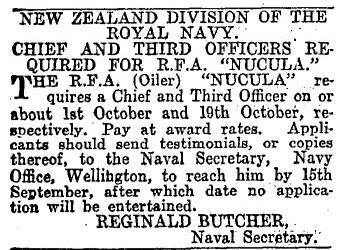
31 July 1936 the New Zealand Division of the Royal Navy advertised in the New Zealand Evening Post for a Chief Officer and a Third Officer
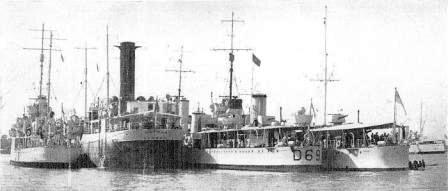
19 August 1936 refueled HMNZS ACHILLES at Nuhuhiva in Marquesas
2 September 1936 sailed Los Angles for Auckland
20 January 1937 berthed mid stream at Auckland
7 April 1937 berthed at Auckland from San Pedro
17 April 1937 at Auckland, New Zealand while going alongside HMAS SYDNEY to refuel her she was caught heavily by a rip tide and hit the cruiser causing damage to HMAS SYDNEY's port side propeller and forcing her into the wharf causing further damage to her quaterdeck. Nucula was not damaged. Also refuelled alongside HMAS's SWAN, VENDETTA and STUART
16 May 1937 sailed Los Angeles CA for Auckland
10 June 1937 arrived Auckland from California for the last time as a seagoing concern as the cruisers HMNZS DIOMEDE and DUNEDIN were about to leave NZN service so NUCULA became redundant
6 July 1937 laid up and used as a storage hulk at Shoal Bay, Waitemata Harbour.
13 April 1938 berthed at Devonport
16 October 1940 offered for sale 'as is' excluding her cargo in the New Zealand Evening Post of this day. She is shown as being berthed at HM Dockyard, Devonport, Auckland, New Zealand
28 May 1943 at Auckland, New Zealand with USS Bridge (AF1) alongside
31 May 1943 at Queens Wharf, Auckland, New Zealand USS Hunter Liggett (APA14) alongside to refuel - supplied with 5,129 barrels of fuel oil
January 1947 her remaining fuel was pumped ashore and she was offered for sale
April 1947 purchased by A.C. Radcliffe Ltd, Auckland for £1,520 name unchanged
23 October 1947 after being stripped of all re-usable equipment, she was towed out to sea by the tugs WILLIAM C DALDY and CORALIE
24 October 1947 the tug YTL 622 towed her to position 36.20S 176.00E and scuttled eleven miles ENE of Cuvier Island in the Hauraki Gulf, New Zealand in deep water