

Welcome to Historical RFA
On this day in January
Since the creation of the Royal Fleet Auxiliary in 1905 the ships of the Service have, during the month of January -
On this day -
RFA Empire Salvage
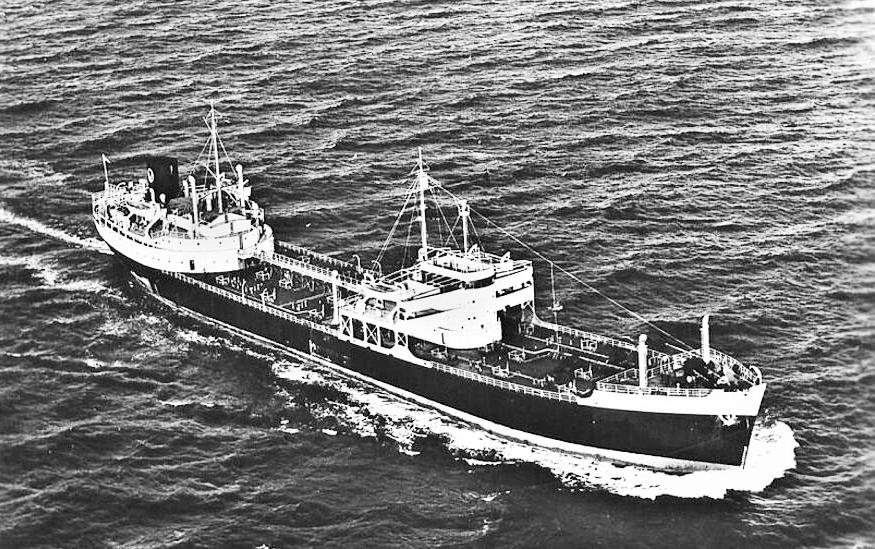
RFA Empire Salvage after WW2 as ss Papendrecht
RFA Empire Salvage was a German supply ship named Lothringen which had been deployed in the Atlantic Ocean with oiling at sea equipment and with a German Mercantile Marine crew and 46 German Naval officers and rating
On 15 June 1941 after suffering slight damage by aircraft from the aircraft carrier HMS EAGLE, she was captured intact in position 19°49N 30°30W, NW of the Cape Verde Islands, by the cruiser HMS DUNEDIN in Operation Salvage. She was taken to Bermuda by a Prize Crew (under the command of Lieutenant R. Beveridge, Royal Navy. The German Chief Officer, three other officers and 19 German ratings remained onboard to work the ship) and her cargo was taken as a prize. The status of the ship was left in abeyance until the cessation of hostilities and she was temporarily registered in Hamilton and was renamed EMPIRE SALVAGE
Empire Salvage became RFA Empire Salvage and was based at St John's, Newfoundland as part of the Newfoundland Force
The 1924 Fleet Review
On 26 July 1924 His Majesty King George V reviewed his Fleet at Spithead it being the first such large scale Fleet Review since 1914
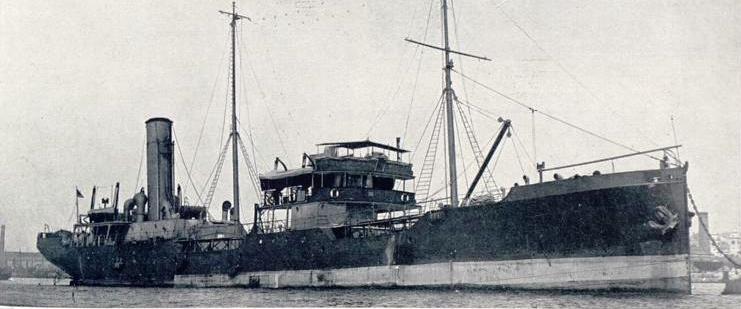
In addition to the ships of the Royal Navy one ship of the Royal Fleet Auxiliary also took part - RFA Thermol. One newspaper reported the presence of RFA Thermol as 'One of the new craft necessitated by the oil-burners of our large naval vessels and submarines'
The press report also provided its readers with an image of RFA Thermol -
Convoy Rescue Ships Service
The Background to the Requirement for Convoy Rescue Ships:
by
James R. Smith
RFA Historical Society consultant
During WW2 the British Merchant Navy suffered enormous losses in both ships and personnel – a total of 32,952 registered seamen which equated to a 17.8% loss of the total strength.
This is put in perspective when one considers that the Royal Navy lost just 9.7% of its personnel! Between September and December 1939, 126 British merchant ships were lost as a result of enemy action and whilst these figures dropped to 66 in the first quarter of 1940, the Admiralty’s prediction of higher losses bore fruit when 216 British ships were sunk in the third quarter of that year which rose to a staggering 263 vessels lost in the final quarter of that year. After the fall of France, this was mainly due to the increased effectiveness of submarines and the presence of long range bomber aircraft which were now based on the French Atlantic Coast. During this same period, numerous Allied vessels were also lost.
And then 40 of the crew were executed
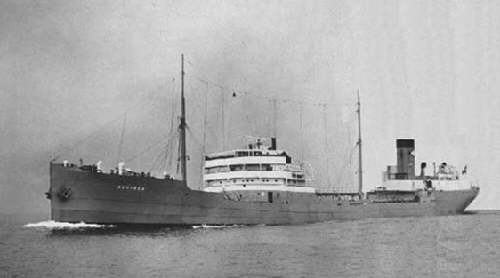 During World War 2 the Admiralty secured the services of a number of Norwegian tankers to supplement those under RFA command. These tankers were hired from their owners and placed under RFA management. They retained their Norwegian Masters and crews – which were mainly of mixed nationalities.
Rat Traps For Naval Officers
“See How They Run”
Fun onboard with the Rodents
by
Phil Lippant
Imagine the Naval Health Officer of the Port of Portsmouth, complete with cocked hat, frock coat, gold braid, epaulettes, and all the other trimmings, walking, with that splendid dignity which pertains to Naval Health Officers, down the Dockyard one fine morning with his sword in one hand and a rat-trap in the other!